
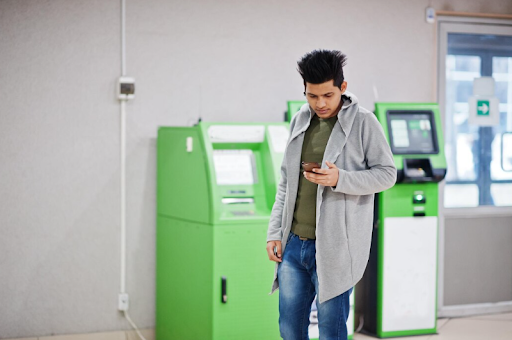
Why an ATM for Retail Businesses Can Improve Customer Convenience
Retail businesses continue adapting to changing consumer payment habits and evolving shopping expectations. While digital payments and mobile wallets have become increasingly common, cash transactions still play an important role in many retail environments. As a result, installing an ATM at retail locations has become a practical solution for businesses seeking to improve customer convenience, encourage spending, and enhance the overall shopping experience.
Automated teller machines provide customers with immediate access to cash while helping retailers create more accessible and customer-friendly environments. From convenience stores and supermarkets to entertainment venues and local shops, ATMs continue serving as an important part of modern retail infrastructure.
The Continued Importance of Cash in Retail
Although electronic payments have expanded globally, cash remains widely used across many industries and customer demographics. Retail payment studies show that consumers still rely on cash for small purchases, tipping, quick transactions, and budgeting purposes.
Industry payment reports explain that many shoppers continue preferring cash because it offers:
- Faster small transactions
- Budget management
- Payment privacy
- Reduced dependence on digital systems
- Accessibility during network outages
For retailers, maintaining convenient access to cash withdrawal services can help support a wider range of customer payment preferences.
How Retail ATMs Support Customer Experience
Customer convenience plays a major role in retail satisfaction and purchasing behavior. When shoppers have easy access to cash, they may be more likely to complete purchases without leaving the store or shopping area.
Retail businesses that install ATMs often provide customers with:
- Immediate access to cash
- Reduced the need to search for nearby banks
- Faster transaction convenience
- Additional payment flexibility
- Improved shopping accessibility
Industry retail service providers note that on-site ATMs may help improve customer retention by increasing convenience within retail environments.
In areas where bank branches or external ATM access is limited, retail ATMs can become particularly valuable for both customers and businesses.
Why Retail Businesses Install ATMs
Retail businesses choose to install ATMs for several operational and customer-focused reasons.
Increased Customer Traffic
ATMs may attract additional foot traffic from customers looking for convenient cash access. Some shoppers entering a location to use an ATM may also make additional purchases while inside the store.
Support for Cash-Based Purchases
Many retail categories continue handling a large number of cash transactions, including:
- Convenience stores
- Gas stations
- Restaurants
- Entertainment venues
- Local markets
- Small independent retailers
Easy cash access can help reduce lost sales opportunities when customers lack sufficient cash.
Reduced Credit Card Processing Costs
Some retailers encourage cash transactions because they may help reduce credit card processing fees associated with digital payments.
Improved Customer Satisfaction
Convenience services, such as ATMs, can improve the overall customer experience by supporting multiple payment methods in one location.
Modern Features Found in Retail ATMs
ATM technology has evolved significantly over the years. Modern retail ATM systems now include advanced features designed to improve security, usability, and operational efficiency.
Current ATM features commonly include:
- Touchscreen interfaces
- EMV chip card compatibility
- Contactless payment integration
- Multi-language support
- Remote monitoring systems
- Enhanced security encryption
- Cash withdrawal tracking
ATM manufacturers also continue developing more compact and energy-efficient systems suitable for retail environments with limited space.
Industry ATM providers highlight that newer systems are designed to improve both customer convenience and machine reliability.
Security Considerations for Retail ATM Placement
Security remains one of the most important aspects of ATM management. Proper placement and monitoring help improve customer safety and machine protection.
Retail businesses commonly consider:
- Well-lit installation areas
- Security camera coverage
- Employee visibility
- Safe cash loading procedures
- Secure network connections
Financial security experts recommend that businesses regularly monitor ATM systems and maintain compliance with updated payment security standards.
Many modern ATM systems now include anti-skimming technology and encrypted transaction systems to reduce fraud risks.
The Role of ATMs in Local Communities
Retail ATMs often provide essential banking access within communities where bank branches may be limited. Small towns, entertainment districts, and independent retail locations frequently rely on retail-based ATM access to provide customers with convenient access to financial services.
Access to cash withdrawal services may especially benefit:
- Tourists
- Elderly customers
- Small business shoppers
- Event attendees
- Customers without nearby bank access
Financial accessibility remains an important factor in supporting local economic activity and consumer convenience.
Technology and Future ATM Trends
The ATM industry continues to evolve alongside advancements in digital banking and financial technology.
Emerging trends include:
- Cardless ATM withdrawals
- Mobile wallet integration
- Biometric authentication
- Contactless cash access
- Cloud-connected ATM management
- Advanced fraud detection systems
Industry discussions suggest that ATMs are increasingly part of broader self-service banking ecosystems rather than simple cash-withdrawal machines.
Despite the growth of digital banking, many experts believe ATMs will continue to play an important role in providing access to physical cash and financial convenience.
Choosing the Right ATM for Retail Businesses
Several factors influence ATM selection for retail environments.
Businesses often evaluate:
- Machine size and placement
- Cash capacity
- Maintenance requirements
- Transaction fees
- Security features
- Customer traffic volume
- Connectivity systems
Retailers may also work with ATM service providers that offer installation, maintenance, transaction processing, and technical support.
Selecting the right ATM system often depends on customer demographics, store size, and transaction volume expectations.
Conclusion
Cash accessibility continues playing an important role in modern retail environments despite the growth of digital payment systems. Retail ATMs provide customers with convenient financial access while helping businesses improve service quality and shopping convenience. Advances in security, contactless technology, and self-service banking will likely continue to shape the future of retail financial services and the growing demand for reliable ATM machines for sale solutions across commercial environments. As retail technology continues evolving, ATMs are expected to remain valuable tools for supporting customer flexibility and operational efficiency.