
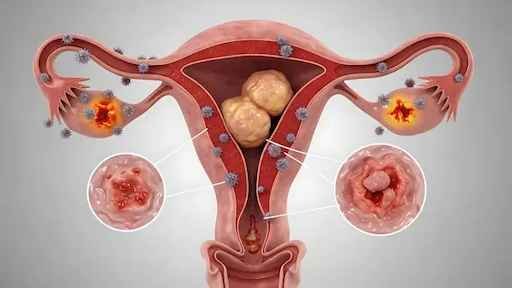
Lifestyle Changes After Uterine Cancer Treatment
Completing uterine cancer treatment is a significant step, but recovery continues well beyond medical procedures. The body and mind need time to adjust, rebuild strength, and adapt to new routines. Many individuals notice changes in energy levels, emotional well-being, and daily habits during this phase. Making thoughtful lifestyle adjustments can support healing, improve confidence, and encourage long-term wellness. With consistent care, healthy routines, and emotional support, life after treatment can gradually feel balanced, active, and reassuring once again.
Understanding Life After Treatment
Recovery after uterine cancer treatment continues beyond medical procedures and focuses on restoring strength, stability, and confidence. Individuals often experience physical healing alongside emotional and hormonal adjustments, making gradual lifestyle changes important. Rebuilding daily routines, maintaining healthy habits, and staying committed to follow-up care can support long-term well-being. With patience and consistent self-care, many people adapt to their new normal over time, allowing recovery to progress in a balanced and sustainable way while improving overall quality of life.
Prioritising Balanced Nutrition
Nutrition plays an essential role in tissue repair, immune strengthening, and energy restoration after uterine cancer treatment. A balanced diet supports healing while promoting long-term wellness.
- Protein Intake: Including protein-rich foods helps repair tissues and maintain muscle strength during recovery.
- Vitamin Support: Fruits and vegetables provide essential vitamins and antioxidants that support immune function.
- Whole Grains: Choosing whole grains provides steady energy and supports digestive health.
- Hydration Levels: Staying adequately hydrated supports circulation, digestion, and overall recovery.
Reducing processed foods, sugary drinks, and excessive salt may also help manage inflammation and promote overall well-being.
Rebuilding Physical Strength Gradually
Physical activity supports circulation, muscle strength, and emotional well-being after treatment, but exercise should be resumed gradually under medical guidance.
- Light Walking: Starting with short walks and gentle stretching helps the body ease back into movement.
- Gradual Progression: Increasing activity slowly over time allows the body to adapt safely.
- Strength Building: Gentle strengthening exercises support muscle recovery and stability.
- Consistent Routine: Maintaining regular movement rather than focusing on intensity helps sustain long-term benefits.
Regular physical activity can reduce fatigue, improve mood, and support overall recovery.
Managing Hormonal and Body Changes
Hormonal changes may occur after uterine cancer treatment and can affect sleep, mood, and metabolism.
- Sleep Routine: Maintaining a regular sleep schedule supports overall balance.
- Stress Management: Practising relaxation or stress-management techniques can improve emotional well-being.
- Meal Timing: Eating meals at consistent times supports metabolism and energy levels.
- Medical Follow-ups: Discussing symptoms during consultations helps ensure timely support.
Understanding and monitoring these changes helps individuals adapt more comfortably.
Emotional Recovery and Mental Health
Emotional well-being remains an important part of recovery after cancer treatment.
- Open Communication: Speaking openly with healthcare professionals helps address concerns early.
- Professional Support: Seeking counselling or therapy when required can provide guidance and reassurance.
- Social Connection: Staying connected with family and friends supports emotional stability.
- Relaxing Activities: Engaging in hobbies and calming activities can improve mood and confidence.
Strong emotional support helps individuals feel more in control during recovery.
Importance of Regular Follow-Up Care
Ongoing medical follow-ups remain an important part of life after treatment.
- Routine Consultations: Regular medical appointments help monitor recovery progress.
- Recommended Tests: Imaging and diagnostic tests may be recommended as needed.
- Health Monitoring: Doctors assess overall health and track any changes over time.
- Symptom Reporting: Promptly discussing new or unusual symptoms supports early care.
Consistent follow-ups help provide reassurance and support long-term health planning.
Maintaining a Healthy Weight
Weight management can support recovery and long-term health after treatment.
- Balanced Habits: Combine nutritious eating with regular physical activity.
- Active Routine: Avoid prolonged inactivity and stay consistently mobile.
- Realistic Goals: Set achievable health and fitness targets over time.
- Sustainable Lifestyle: Focus on long-term habits instead of drastic changes.
Small and consistent steps help create lasting results.
Building a Strong Support System
Support from others plays an important role during recovery, offering encouragement and emotional reassurance.
- Family Support: Stay connected with family and close friends for motivation and comfort.
- Medical Guidance: Maintain regular communication with healthcare professionals.
- Peer Groups: Join support groups or survivor communities for shared experiences.
- Counselling Care: Consider counselling services for emotional support.
A supportive environment helps reduce isolation and build resilience.
Creating a Structured Daily Routine
Establishing a routine can restore stability and reduce stress after treatment.
- Sleep Priority: Maintain regular sleep and rest schedules.
- Balanced Planning: Organise meals and daily physical activity.
- Relaxation Time: Schedule moments for rest and stress relief.
- Small Goals: Set simple, achievable daily targets.
A structured routine helps improve confidence and energy during recovery.
Long-Term Wellness and Preventive Care
Preventive care supports long-term health and confidence after recovery. Staying proactive about wellness helps individuals feel empowered and prepared.
- Health Screenings: Continue regular medical check-ups and screenings.
- Stress Management: Practise relaxation and stress-reduction techniques.
- Balanced Habits: Maintain consistent and healthy lifestyle choices.
- Medical Communication: Stay in regular contact with healthcare professionals.
Long-term preventive care supports ongoing wellness and reassurance.
Conclusion
Lifestyle changes after uterine cancer treatment focus on rebuilding strength, supporting emotional health, and maintaining long-term wellness. Balanced nutrition, gradual physical activity, regular follow-ups, and a strong support system all contribute to a smoother recovery journey. By adopting sustainable habits and staying connected with healthcare professionals, individuals can move forward with confidence and stability. With time, patience, and consistent care, life after treatment can become healthier, more active, and filled with renewed confidence and reassurance.