
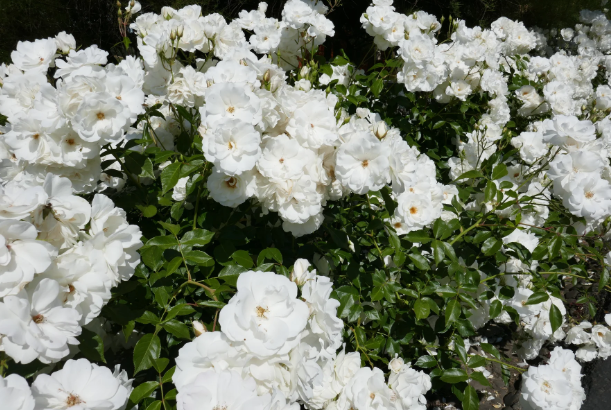
Iceberg Roses Guide for Hedge Plant Landscaping
Hedge plants are widely used in modern landscaping to create structure, privacy, and year-round visual appeal in gardens. While exploring garden hedge options, roses stand out as one of the most versatile choices in the hedge plant category due to their dense growth habit and long flowering season. Among the most popular flowering options for informal and decorative hedges is a hardy, repeat-flowering shrub rose known for its reliability and elegant blooms.
What Are Iceberg Roses?
Iceberg roses (Rosa ‘Iceberg’) are a type of floribunda rose known for producing abundant clusters of white flowers throughout the growing season. Originally bred in Germany in the 1950s, they quickly became popular worldwide due to their resilience and continuous blooming nature.
These roses are often grown as shrubs, but they can also be trained into small climbers depending on the variety and pruning method. Their versatility makes them suitable for formal gardens, cottage landscapes, and hedge-style planting.
Why Iceberg Roses Work Well as Hedge Plants
When used in landscaping, Iceberg roses are valued for their ability to form structured yet natural-looking hedges. Their growth characteristics make them especially suitable for boundary planting.
Dense and Upright Growth
Iceberg roses typically grow into compact, bushy shrubs that fill out well when planted in rows.
Long Flowering Season
They bloom repeatedly from late spring through autumn, providing continuous visual interest.
Low Maintenance Nature
Compared to many other rose varieties, Iceberg roses are relatively easy to care for and adaptable to different conditions.
Disease Resistance
They are known for being more resistant to common rose diseases, making them a practical choice for hedge planting in residential gardens.
Growth Characteristics of Iceberg Roses
Iceberg roses usually grow between 3 and 5 feet tall, with a similar spread when mature. Under ideal conditions, they develop a rounded, well-branched structure that functions naturally as a flowering hedge.
Key characteristics include:
- Glossy green foliage
- Continuous clusters of white blooms
- Moderate fragrance
- Strong seasonal regrowth after pruning
They thrive in full sun and well-drained soil, which promotes maximum flowering.
Planting Iceberg Roses as a Hedge
To create a successful hedge using Iceberg roses, spacing and soil preparation are important.
Spacing Guidelines
Plants should typically be spaced about 2 to 3 feet apart to allow them to grow together while still maintaining airflow.
Soil Requirements
They prefer fertile, well-drained soil enriched with organic matter to support continuous blooming.
Sunlight Needs
At least 6 hours of direct sunlight per day is ideal for healthy growth and flowering performance.
Maintenance and Pruning
Regular pruning is essential to maintain a neat hedge shape and encourage new flowering growth.
Seasonal Pruning
- Light pruning after each bloom cycle
- Hard pruning in late winter or early spring
Ongoing Care
- Remove dead or weak stems
- Feed with balanced rose fertilizer during the growing season
- Water deeply, but avoid overwatering
Proper maintenance ensures the hedge remains dense, healthy, and full of flowers.
Landscape Uses of Iceberg Rose Hedges
Iceberg roses can be used in multiple landscaping designs:
- Garden boundary hedges
- Pathway borders
- Decorative property dividers
- Mixed flower beds with perennials
- Cottage-style garden layouts
Their clean white blooms also pair well with evergreen plants and colorful flowering shrubs for contrast.
Conclusion
Iceberg roses are one of the most practical and visually appealing options for flowering hedges due to their consistent blooming, manageable growth, and adaptability. In conclusion, Iceberg roses offer an excellent solution within the broader category of plants, providing gardeners with a low-maintenance yet highly decorative option for creating structured, long-lasting, and seasonally vibrant garden boundaries.