
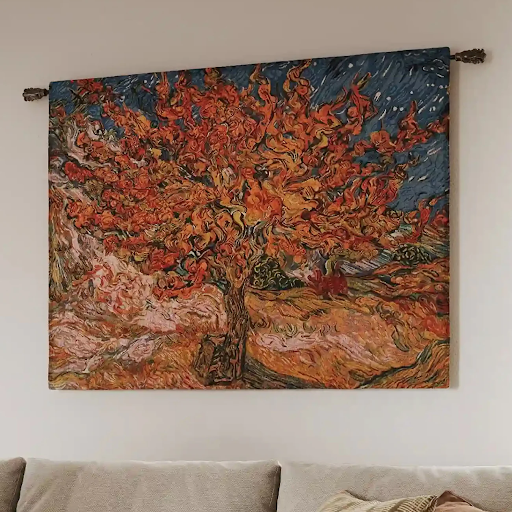
How Tapestry Designs Reflect Culture and Artistic Heritage?
Art has always served as a mirror of human history, capturing beliefs, traditions, and daily life across generations. Among the many forms of artistic expression, textile-based art stands out for its durability and storytelling ability. A tapestry is more than decorative fabric—it is a historical record that reflects the culture and artistic heritage of the people who create it.
The Historical Roots of Tapestry Art
Tapestries date back thousands of years and have been found in ancient civilizations such as Egypt, China, and medieval Europe. These woven pieces were originally used for insulation in homes and castles, but they quickly evolved into symbols of wealth, power, and storytelling.
In medieval Europe, tapestries often depicted religious scenes, battles, and royal events. Each design conveyed cultural values and historical narratives, making them an important medium for preserving heritage before the widespread use of written records.
Cultural Narratives Woven into Design
One of the most defining aspects of tapestry art is its ability to tell stories. Different regions use unique patterns, symbols, and colors to represent their traditions.
For example, Asian tapestries often incorporate nature-inspired elements like flowers, birds, and landscapes, symbolizing harmony and balance. In contrast, European designs frequently highlight historical events or mythological themes. This diversity demonstrates how woven wall art serves as a visual language that communicates cultural identity.
Techniques That Reflect Artistic Traditions
The techniques used in creating tapestries vary widely across cultures, and each method contributes to the final artistic expression. Hand-weaving, for instance, is a traditional craft passed down through generations, requiring precision and patience.
The choice of materials—such as wool, silk, or cotton—also reflects regional resources and craftsmanship. These techniques are not just functional; they embody the artistic heritage of a community. A single tapestry can showcase centuries of skill, tradition, and innovation.
Symbolism and Meaning in Tapestry Designs
Tapestries are rich in symbolism, with each element often carrying a deeper meaning. Colors, patterns, and figures are carefully selected to represent ideas such as prosperity, protection, or spirituality.
For instance, intricate geometric patterns in some cultures symbolize unity and continuity, while floral motifs may represent growth and renewal. This symbolic depth transforms tapestry wall decor into more than just an aesthetic choice—it becomes a meaningful representation of cultural beliefs and values.
Influence on Modern Interior Design
Today, tapestry art continues to play a significant role in interior design. While modern designs may incorporate contemporary themes, they often draw inspiration from traditional patterns and techniques.
Homeowners and designers use tapestries to add texture, warmth, and character to living spaces. The revival of interest in handmade and artisanal products has further increased the popularity of woven wall art, as people seek authentic pieces that connect them to cultural heritage.
Preservation of Cultural Heritage
Tapestries are not only decorative but also serve as tools for preserving cultural heritage. Museums and collectors around the world invest in maintaining these works to ensure that future generations can learn from them.
In many communities, tapestry-making is still practiced as a living tradition. Artisans continue to pass down their skills, keeping cultural stories alive through their craft. This ongoing practice highlights the enduring importance of tapestry wall decor as both an art form and a historical record.
Conclusion
Tapestry pieces often serve as focal points in homes, showcasing both artistic beauty and cultural depth. Large tapestry designs continue to bridge the gap between traditional craftsmanship and modern decor preferences.
In conclusion, tapestry art reflects culture and artistic heritage through its storytelling, techniques, and symbolism. By incorporating elements of history and tradition, each tapestry becomes a timeless expression of human creativity and identity.