
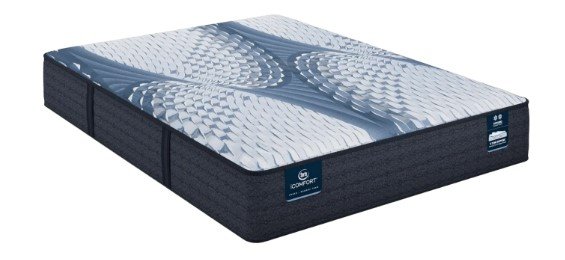
Top Benefits of Memory Foam Mattresses for Better Sleep
Choosing the right mattress plays a vital role in how well you sleep, recover, and wake up feeling refreshed each morning. Among the many options available today, memory foam mattresses have become immensely popular for their unique comfort and performance benefits. In this blog, we explore the key advantages of memory foam mattresses and how they contribute to healthier, more restful sleep.
What Makes Memory Foam Mattresses Different?
Memory foam is a type of viscoelastic polyurethane foam originally developed for cushioning in aerospace applications. Its distinctive quality lies in its ability to soften in response to body heat and pressure, allowing it to gently mold to the shape of your body. When you rise, the foam slowly returns to its original form, creating that signature contouring feel. This body-contouring feature is the foundation of most of the benefits that follow, enabling a sleep surface that adapts to your shape rather than forcing your body to conform to it.
Pressure Relief for Enhanced Comfort
One of the most celebrated benefits of memory foam mattresses is their ability to relieve pressure points. Traditional spring mattresses may create tension around areas like the hips, shoulders, and lower back, leading to discomfort or disrupted sleep. High-quality memory foam evenly distributes body weight, reducing pressure in these sensitive regions. By minimizing discomfort, pressure relief helps reduce tossing and turning, allowing you to settle into deeper, uninterrupted sleep, a key factor in achieving restorative rest.
Promotes Proper Spinal Alignment
Good sleep goes beyond comfort; it also involves supporting your body’s natural posture. Memory foam mattresses adapt to your body’s curves, helping to maintain proper alignment of the spine. This quality is especially beneficial for individuals with chronic back or joint pain, as it reduces strain on muscles and connective tissues throughout the night.
Motion Isolation for Undisturbed Sleep
If you share a bed with a partner, motion transfer can be a major sleep disruptor. Traditional innerspring mattresses often transmit movement across the bed surface, meaning one partner’s shift can wake the other. Memory foam mattresses are exceptionally good at motion isolation due to the dense foam layers that absorb and minimize movement. This makes memory foam an excellent choice for couples or light sleepers who want undisturbed rest, even if their partner tosses and turns.
Hypoallergenic and Allergen‑Resistant
Allergies and asthma can be aggravated by particles like dust mites, mold, and mildew that accumulate in soft surfaces. The dense structure of memory foam makes it less hospitable to common allergens, offering a cleaner sleep environment. For allergy sufferers, this feature can significantly improve sleep quality and overall health.
Versatility Across Sleeping Positions
Whether you sleep on your back, side, or stomach, memory foam mattresses tend to accommodate multiple positions well. Their responsive design adapts to the specific contours and pressure points involved with each sleep style, making them a versatile option for many sleepers. By supporting a wide range of positions, memory foam mattresses help ensure a consistently restful experience for different sleepers.
Temperature‑Sensitive Support
Memory foam is temperature sensitive, meaning its feel changes with your body heat. As you warm the surface, the foam becomes more pliable, allowing it to contour more closely to your shape. While traditional memory foam could trap body heat, many modern mattresses include gel infusions or open‑cell technologies that help regulate temperature and keep you cooler through the night.
Long‑Term Durability and Value
High‑quality memory foam mattresses often last longer than lower‑cost alternatives. Their resilient foam structure resists sagging and retains support over time, which means investing in a good memory foam mattress can pay off in both comfort and longevity.
Conclusion
Switching to memory foam mattresses can make a profound difference in your sleep quality, comfort, and overall well‑being. From relieving pressure and promoting spinal alignment to minimizing motion transfer and resisting allergens, these mattresses offer a host of sleep‑enhancing benefits. If your goal is to improve how you sleep night after night, memory foam remains a compelling choice, especially when compared to traditional alternatives. In the pursuit of better rest, choosing soft mattresses can be an important, supportive, and comfortable step toward waking up refreshed, pain‑free, and ready to take on the day.