
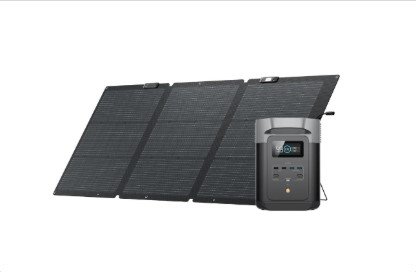
Maximize Efficiency With RV Solar Panel Kits and Batteries
As more RV owners seek self‑sufficiency and sustainable power solutions on the road, RV solar panel kits combined with quality battery systems have become essential. These renewable energy systems allow RVers to power appliances, lighting, and electronics without relying solely on shore power or noisy generators. To truly maximize efficiency and get the most out of your solar setup, it’s important to understand how solar panels, batteries, and system components work together, and how to optimize them for consistent performance in varied conditions.
Understanding RV Solar Panel Kits
RV solar panel kits typically include solar panels, a charge controller, necessary mounting hardware, and wiring. Solar panels convert sunlight into electrical energy, which the charge controller regulates to ensure batteries are charged safely and efficiently. Modern kits are designed for easy installation on RV roofs, often using lightweight panels and corrosion‑resistant hardware suitable for travel environments.
Choosing the right RV solar panel kit begins with evaluating your power needs. Estimate the total daily energy usage of your RV appliances and devices in watt‑hours (Wh). This includes lights, refrigerators, water pumps, fans, and electronics. By knowing your energy demand, you can select solar panels with sufficient wattage and a battery bank that can store enough energy for nighttime and overcast conditions.
Choosing the Right Batteries
Solar panels alone cannot power an RV without a battery bank to store the energy they generate. Common options include lead-acid batteries, which are affordable and reliable but heavier with shorter lifespans, and lithium-ion batteries, which offer higher efficiency, longer life, deeper discharge, and lower maintenance. Battery choice affects both storage capacity and energy efficiency. Lithium batteries can safely discharge 80‑90% of capacity, while lead-acid batteries are typically limited to 50% to prevent damage, ensuring optimal performance for your RV solar panel kits.
Optimizing Solar Efficiency
To maximize efficiency with RV solar panel kits and batteries, consider the following strategies:
- Proper Panel Placement: Ensure panels are installed where they receive maximum sunlight exposure throughout the day. Avoid shading from vents, antennas, or awnings, as even partial shade can significantly reduce energy production.
- Use a Maximum Power Point Tracking (MPPT) Controller: MPPT charge controllers are more efficient than traditional Pulse Width Modulation (PWM) controllers. They adjust to changing sunlight conditions to extract the highest possible power from the panels and deliver it to the battery bank.
- Monitor and Manage Loads: Use energy‑efficient appliances and LED lights to reduce overall load. Regularly monitor your system’s performance using a battery monitor or solar display to track energy production, battery state of charge, and consumption.
- Balance Panel and Battery Capacity: Aim for a balanced system where your solar panel output and battery storage capacity align with your usage habits. Too much panel capacity with insufficient battery storage can result in wasted solar energy, while too little panel capacity can leave batteries undercharged.
Maintenance for Long‑Term Performance
Maintaining your solar system ensures continued efficiency and longevity. Clean panels regularly to remove dirt, dust, and debris that block sunlight from reaching them. Check battery water levels if using lead‑acid types, and ensure terminals are clean and secure. Inspect wiring and connections for signs of wear, corrosion, or loose fittings, particularly after travel that exposes the RV to vibration and weather changes.
Conclusion
Maximizing efficiency with RV solar panel kits and batteries empowers RV owners to enjoy greater energy independence, lower operational costs, and quieter power generation while traveling. By selecting the right combination of solar panels, batteries, and smart charge controllers, and optimizing their placement and use, you can ensure reliable power for extended trips or boondocking adventures. Maintaining your system and monitoring performance helps you get the most from your investment. For those seeking versatile energy solutions beyond the RV lifestyle, integrating portable systems with home systems opens the door to options such as household battery backup, enhancing resilience during power outages, and reducing reliance on the electrical grid.