
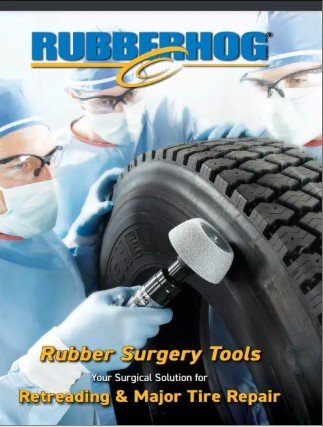
Mastering Nail Hole Reamers: Techniques for Smooth Holes
Proper tire repair demands precision, especially when addressing punctures caused by nails or screws. One essential tool in the technician’s kit is the nail hole reamer, designed to prepare the puncture channel for a reliable seal or patch. Combined with quality buffing tools such as a tire buffing wheel and careful tire-preparation techniques, using a nail-hole reamer correctly can greatly improve the long‑term effectiveness of a repair. This guide walks you through techniques and best practices to produce clean, smooth repair holes every time.
What Is a Nail Hole Reamer?
A nail hole reamer is a specialized tool used to clean, widen, and texture the puncture channel in a tire’s tread following removal of the foreign object. The reamer removes debris, moisture, and jagged rubber, creating a uniform opening that allows a plug or patch to bond securely. Without this preparation, plugs may fail due to poor adhesion or trapped debris in the hole.
Reamers are often part of shaft‑tool collections used in professional repair environments, such as the 1/4″ shaft tools that include spheres, tapers, and nail-hole reamers for bias tire repairs.
Preparing the Tire Before Reaming
Before using a nail hole reamer, technicians must ensure the repair area is clean and accessible. After deflating the tire and removing any embedded objects from the tread, it’s important to inspect for sharp rubber edges and any contaminants that could interfere with a secure repair. Carefully clean the puncture area with brushes or solvents and let any cleaning agents evaporate.
Next, remove mold release marks or liner coatings with a tire buffing for repair tool, such as a buffing wheel or rasp, designed to create a textured surface that enhances adhesion. These buffing tools prepare the inner liner surface by cutting rubber to a uniform finish ideal for vulcanizing or bonding repair units.
Using the Nail Hole Reamer Correctly
Place the tire on a stable surface or tire spreader. Insert the nail hole reamer and twist with steady, even pressure to enlarge and smooth the puncture without tearing. Gently move it back and forth to remove debris and roughen the surface for proper plug adhesion. Avoid excessive force or high speeds, which can damage the tire. Professionals often use rotary tools at controlled speeds, especially with a tire buffing wheel, to maintain surface quality.
Ensuring a Smooth and Reliable Surface
After reaming, restore an even surface using a tire buffing wheel to remove irregularities and create a smooth finish. Proper buffing ensures repair compounds or patches adhere fully, without gaps or voids. Use low‑rpm tools to prevent overheating or tire damage. Apply consistent movement and moderate pressure to achieve a uniform texture. This preparation maximizes the durability of the repair and ensures that plugs or patches bond securely for long-lasting results.
Integrating Reaming into the Repair Workflow
After the hole is reamed and the surrounding surface is buffed, the next step is to install the chosen repair unit. For plug‑and‑patch systems, a properly prepared channel ensures that sealants and vulcanizing fluids fully penetrate and bond with both the repair material and the tire rubber. Following manufacturer guidelines and industry best practices helps deliver reliable, long‑lasting results.
Safety and Maintenance Tips
When using rotary tools and buffing wheels, wear eye and respiratory protection to avoid rubber dust hazards. Regularly inspect nail hole reamers and buffing wheels, replacing any worn or damaged tools to ensure consistent, safe repairs.
Conclusion
Mastering the use of a nail hole reamer is essential for achieving smooth, repair-ready punctures. By combining careful tire preparation, proper reaming technique, and effective tire buffing, technicians using a quality tire buffer wheel can enhance plug-and-patch performance and extend the life of repaired tires. Consistent technique, adherence to recommended speeds, and appropriate tool maintenance are the foundation of professional tire repair. With a tire repair tool kit and these practices in place, even challenging punctures can be handled with confidence and precision, making the reamer and buffing tools indispensable.