
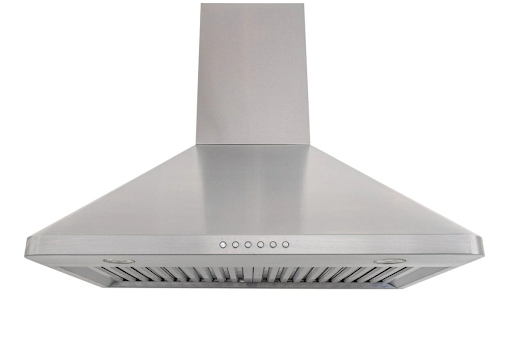
Range Hoods For Gas Stoves And Their Role In Kitchen Safety
Gas stoves are widely used in residential kitchens because they provide precise temperature control and fast heating. However, cooking with gas also produces combustion byproducts such as carbon monoxide, nitrogen dioxide, and grease particles. Proper ventilation is essential to remove these pollutants and maintain safe indoor air quality. This is where range hoods for gas stoves become a critical component of kitchen design. By capturing smoke, steam, and harmful gases directly above the cooking surface, these systems help maintain a cleaner and safer cooking environment. Understanding their role highlights why effective ventilation should never be overlooked in kitchens that rely on gas appliances.
Removing Harmful Combustion Gases
Gas stoves produce small amounts of combustion gases whenever burners are used. These gases can accumulate in the kitchen if ventilation is inadequate. Range hoods for gas stoves help remove pollutants such as carbon monoxide and nitrogen dioxide before they spread through the home.
By venting contaminated air outdoors, these systems support healthier indoor air quality and reduce potential respiratory irritation. This function is especially important in kitchens that are used frequently.
Controlling Smoke And Cooking Odors
Cooking methods such as frying, grilling, and sautéing generate smoke and strong odors. Without proper ventilation, these smells can linger throughout the home.
Installing range hoods for gas stoves allows smoke and odor particles to be captured immediately above the cooking surface. This keeps the kitchen environment fresh and prevents unpleasant smells from spreading into nearby living areas.
Reducing Grease Buildup In The Kitchen
Grease particles released during cooking can settle on cabinets, walls, and countertops. Over time, this buildup may cause staining, sticky surfaces, and difficult cleaning.
High-quality range hoods for gas stoves include filters designed to trap grease before it spreads. By capturing these particles, ventilation systems help maintain a cleaner kitchen and reduce maintenance efforts.
Improving Fire Safety During Cooking
Gas cooking involves open flames and high temperatures, which can increase fire risks if grease and heat accumulate. Effective ventilation helps minimize these hazards.
Properly functioning range hoods for gas stoves remove heat and grease-laden air from the cooking zone. This helps reduce the likelihood of flare-ups and improves overall kitchen safety.
Managing Heat Levels While Cooking
Gas burners generate significant heat, especially when multiple burners are used simultaneously. Without ventilation, this heat can build up quickly in the kitchen.
Installing range hoods for gas stoves helps draw hot air upward and away from the cooking area. This improves comfort and prevents the kitchen from becoming excessively warm during meal preparation.
Enhancing Visibility And Cooking Comfort
Steam and smoke rising from pots and pans can make it difficult to see clearly while cooking. Proper ventilation ensures that visibility remains clear.
With range hoods for gas stoves, steam and airborne particles are removed before they obscure the cooktop. Clear visibility improves cooking precision and safety.
Supporting Long-Term Appliance Performance
Gas stoves perform best when the surrounding environment remains clean and well-ventilated. Accumulated grease and smoke can affect nearby appliances and surfaces.
Using range hoods for gas stoves helps maintain a cleaner cooking area, which supports the longevity of both the stove and surrounding cabinetry.
Preventing Moisture And Mold Issues
Boiling water and simmering foods release large amounts of steam. Without proper ventilation, excess moisture may accumulate on walls or ceilings.
Effective range hoods for gas stoves remove this moisture before it settles. This reduces the risk of mold growth and helps maintain the structural condition of kitchen surfaces.
Conclusion
Kitchen ventilation plays a crucial role in maintaining safety, cleanliness, and comfort while cooking. Homes equipped with a freestanding gas range especially benefit from proper airflow management because gas appliances produce heat, smoke, and combustion gases. Installing range hoods for gas stoves ensures these byproducts are removed quickly and efficiently. By improving air quality, reducing grease buildup, and enhancing overall cooking safety, a well-designed ventilation system becomes an essential feature of any kitchen that uses gas-powered cooking equipment.