
Veterinary Neurologist in Maryland: Expert Pet Brain & Spine Care
When your dog or cat displays sudden seizures, unexplained weakness, or difficulty walking, the cause may lie in the brain or spinal cord. Finding a qualified veterinary neurologist maryland pet owners trust is a critical first step. Veterinary neurology is a highly specialized field dedicated to diagnosing and treating diseases of the nervous system in animals, and having access to that expertise locally can significantly improve outcomes for your pet.
What Is a Veterinary Neurologist?
A veterinary neurologist is a specialist who has completed four years of veterinary school followed by a one-year internship and three-year residency in neurology and neurosurgery. Board-certified specialists must also pass rigorous examinations through the American College of Veterinary Internal Medicine (ACVIM). This training equips them to diagnose and treat conditions affecting the brain, spinal cord, peripheral nerves, and muscles that general practitioners may not be equipped to handle.
When Should You See a Veterinary Neurologist in Maryland?
Not every neurological symptom requires emergency care, but many do. You should seek veterinary neurology consults if your pet experiences: sudden or recurrent seizures, unexplained muscle weakness or loss of coordination, rapid-onset paralysis or difficulty walking, head tilting or circling, sudden blindness or behavioral changes, or uncontrolled pain along the spine or neck.
Your primary care veterinarian may also refer you to a veterinary neurologist if your pet has a suspected disc problem, brain tumor, inflammatory brain disease, or nerve disorder that requires advanced diagnostics or treatment beyond their scope.
What Happens During a Veterinary Neurology Consult?
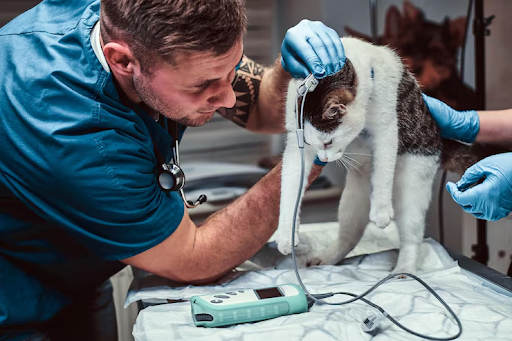
At your first appointment, the neurologist will take a detailed history and perform a complete neurological examination. This includes evaluating gait, postural reactions, spinal reflexes, cranial nerve function, and pain perception. The findings help the specialist localize the problem within the nervous system before recommending further diagnostics.
Veterinary neurology consults often lead to recommendations for advanced imaging such as MRI or CT scanning, cerebrospinal fluid (CSF) analysis, or electrodiagnostic studies. These tools provide a detailed picture of the nervous system and are essential for accurate diagnosis.
Common Conditions Treated by Veterinary Neurologists in Maryland
Intervertebral Disc Disease (IVDD)
IVDD is one of the most frequently diagnosed spinal conditions in dogs. It can cause anything from mild pain to complete paralysis and often requires surgery for the best outcomes.
Epilepsy and Seizure Disorders
Seizures in dogs and cats can result from a variety of causes, including genetic epilepsy, brain tumors, metabolic disorders, or inflammatory diseases. A neurologist will determine the underlying cause and develop an appropriate management plan.
Wobbler Syndrome
Common in large-breed dogs like Great Danes and Dobermans, wobbler syndrome involves instability or compression of the cervical spinal cord, leading to an unsteady gait and neck pain. Treatment options include medical management and spinal surgery.
Brain Tumors and Inflammatory Brain Disease
Conditions such as meningiomas, gliomas, and granulomatous meningoencephalitis (GME) require expert diagnosis and a targeted treatment plan that may include surgery, chemotherapy, or immunosuppressive therapy.
Why Choose a Specialist in Veterinary Neurology Maryland?
Local access to a board-certified veterinary neurologist means faster diagnosis, quicker treatment initiation, and better ongoing follow-up for your pet. Specialists have access to hospital-grade MRI machines, neurosurgical equipment, and rehabilitation services that are not typically available at general practice clinics.
Conclusion
If your pet is showing signs of neurological illness, time is often of the essence. A board-certified veterinary neurologist in Maryland offers the expertise, diagnostics, and treatment options needed to give your pet the best chance at recovery. Don’t delay scheduling a veterinary neurology consult — expert care close to home is available when your pet needs it most.
For more info visit :- madfortrends.com