
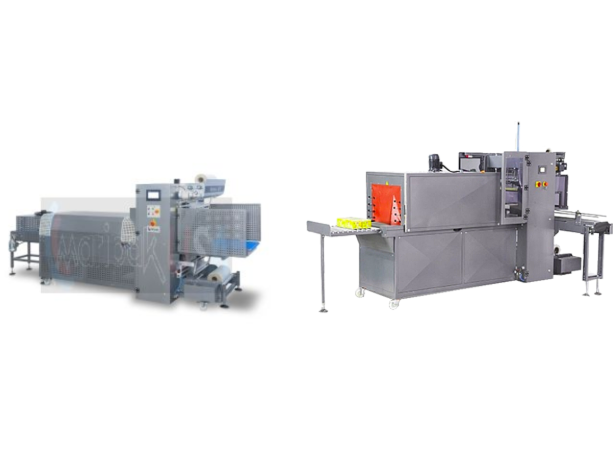
Are You Wasting Time? Shrink Wrap Machines Can Streamline Operations
Packaging inefficiencies can significantly slow down production lines and increase operational costs for businesses of all sizes. Many companies rely on manual methods that are not only time-consuming but also prone to errors, resulting in damaged products or inconsistent packaging. By integrating shrink wrap machines into operations, businesses can automate the packaging process, improve consistency, and reduce labor-intensive tasks. These machines are designed to handle various product sizes and shapes, allowing teams to focus on other critical tasks while ensuring products are securely packaged for storage, shipping, or display.
The Cost of Inefficient Packaging
Inefficient packaging practices directly impact both productivity and profitability. Manual wrapping often requires more labor hours, increases the risk of product damage, and slows down the overall workflow. Businesses frequently underestimate the cumulative cost of these inefficiencies. Implementing shrink wrap machines eliminates repetitive manual tasks, reduces material waste, and ensures uniformity in packaging. Companies experience faster throughput and improved operational efficiency, making it easier to meet production targets while minimizing downtime caused by inconsistent or damaged packaging.
How Shrink Wrap Machines Streamline Operations?
These provide a comprehensive solution to packaging challenges by automating multiple steps in the process. They consistently apply the correct amount of shrink film and use controlled heat to secure products efficiently. This ensures that every item is packaged to the same standard, reducing errors and saving time on quality control. Additionally, these machines are adaptable, supporting different product dimensions and volumes, which is particularly beneficial for businesses with diverse packaging needs. The integration of shrink wrap equipment helps streamline workflows and allows employees to focus on higher-value tasks.
Enhancing Product Protection and Presentation
One of the key advantages of using shrink wrap machines is the protection they provide during transit and storage. Properly sealed products are less likely to suffer from moisture, dust, or tampering, which reduces returns and damage claims. Furthermore, shrink-wrapped products have a polished and professional appearance that can enhance brand perception and shelf appeal. Businesses in retail, e-commerce, and manufacturing can leverage this benefit to maintain product quality while improving customer satisfaction. The use of these machines ensures that products are both secure and visually appealing, supporting better market competitiveness.
Customization and Scalability
Modern machines offer scalability and flexibility to meet evolving business demands. From compact models for small batches to high-capacity systems for large-scale production, these machines can grow with your operations. Adjustable settings allow operators to tailor the shrink-wrapping process to the product type, film thickness, and production speed. This customization ensures efficiency without compromising quality.
Reducing Labor and Operational Costs
Labor costs constitute a significant portion of packaging expenses for many businesses. Manual processes require multiple personnel to wrap, seal, and inspect products. Integrating shrink wrap machines reduces reliance on manual labor, lowering operational costs while improving throughput. Automated systems also minimize material wastage by precisely controlling film usage. The combination of labor savings, reduced material consumption, and faster processing times translates to a notable return on investment, making these machines a practical choice.
Integrating With Production Lines
For maximum efficiency, shrink wrap machines can be integrated with other production equipment, creating a continuous packaging workflow. When paired with complementary systems such as conveyors, sorting stations, and labeling units, these machines form an end-to-end packaging solution that optimizes operations from start to finish. Automation reduces bottlenecks, ensures consistency, and accelerates production schedules, enabling businesses to meet customer demands more effectively.
Conclusion
Businesses seeking to reduce wasted time and enhance operational efficiency can achieve significant results by deploying them. These systems automate repetitive packaging tasks, ensure product protection, and maintain consistent quality, all while reducing labor and material costs. For organizations looking to integrate packaging solutions seamlessly into production workflows, combining shrink wrap equipment with complementary tools like belt conveyor systems can further streamline operations, providing a cohesive, efficient, and scalable approach to modern manufacturing and distribution.