
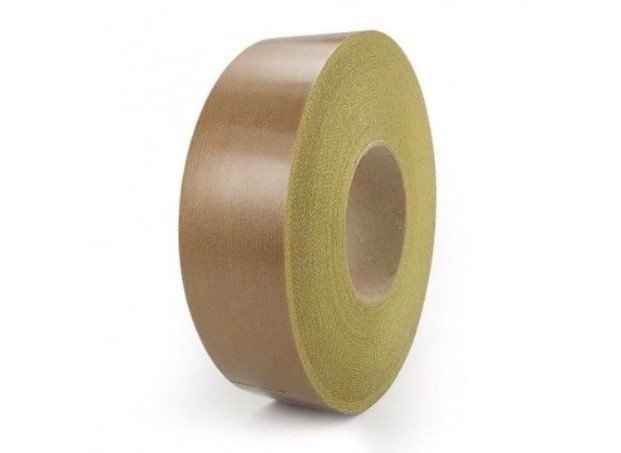
How Does PTFE Sticky Tape Improve Heat Resistance in Industrial Applications
In industrial settings, managing high temperatures is a critical challenge. Machinery, equipment, and production processes often generate significant heat, which can damage components, reduce efficiency, and increase maintenance costs. One solution widely adopted in various industries is PTFE sticky tape, known for its exceptional heat resistance and chemical inertness. This specialized tape provides a reliable barrier, enhances equipment longevity, and ensures safer, more efficient operations.
PTFE (Polytetrafluoroethylene) is a unique polymer that exhibits remarkable thermal stability. When applied as a sticky tape, PTFE combines these thermal properties with adhesion, creating a versatile solution for sealing, insulating, and protecting surfaces exposed to high temperatures. From manufacturing lines to heat-sealing machines, PTFE sticky tape has become an essential component in many industrial applications.
Understanding PTFE Sticky Tape
Composition and Properties
PTFE sticky tape consists of a thin PTFE film coated with a high-performance adhesive, typically acrylic-based. This combination allows the tape to adhere firmly to metal, plastic, and other surfaces while maintaining its heat-resistant properties. PTFE itself can withstand continuous temperatures up to 260°C (500°F) and short-term peaks even higher, making it ideal for industrial environments where extreme heat is common.
Chemical and Electrical Resistance
Beyond heat resistance, PTFE sticky tape is chemically inert, meaning it does not react with acids, bases, or solvents commonly found in industrial processes. It also offers excellent electrical insulation, making it suitable for applications where machines and parts are exposed to both high temperatures and electrical currents. These properties increase safety and reduce the risk of equipment failure.
Applications in Industrial Settings
Heat Sealing and Packaging
In packaging and manufacturing industries, heat-sealing machines rely on consistent temperature control to bond materials. PTFE sticky tape can be applied to sealing surfaces or conveyor belts to protect against heat damage, reduce sticking of materials, and ensure smooth operation. Its non-stick surface allows packaging films and other materials to glide easily, preventing jams and improving productivity.
Machinery Protection and Insulation
Industrial machinery often has components exposed to continuous high temperatures. Applying PTFE sticky tape to metal surfaces, rollers, or conveyor belts acts as a protective barrier, reducing wear and preventing heat-related damage. The tape’s insulating properties also help maintain optimal operating temperatures, improving efficiency and prolonging the life of critical equipment.
Benefits of PTFE Sticky Tape
Enhanced Heat Resistance
The most significant advantage of PTFE sticky tape is its ability to withstand extreme temperatures without melting, degrading, or losing adhesive strength. This makes it ideal for applications such as heat sealing, industrial ovens, and high-temperature conveyor belts. By maintaining its integrity under heat, PTFE tape protects both machinery and products from thermal damage.
Non-Stick Performance
PTFE’s low coefficient of friction ensures that materials do not adhere to coated surfaces. This is particularly important in heat-intensive processes, where melted or sticky substances can otherwise cause production delays or equipment damage. PTFE sticky tape enables smoother operation and reduces the need for frequent cleaning.
Chemical Stability and Safety
Its chemical inertness makes PTFE sticky tape suitable for industries involving adhesives, resins, or corrosive substances. The tape does not react with these chemicals, maintaining its performance and protecting equipment. Additionally, its electrical insulating properties contribute to safer industrial environments.
Cost-Effectiveness and Efficiency
By protecting machinery, improving process efficiency, and reducing downtime, PTFE sticky tape provides long-term cost savings. Equipment lasts longer, maintenance is minimized, and production lines operate more reliably, making it a practical investment for industrial operators.
Conclusion
PTFE sticky tape plays a critical role in improving heat resistance and overall performance in industrial applications. Its unique combination of thermal stability, non-stick surface, chemical resistance, and electrical insulation makes it invaluable for machinery protection, heat sealing, and high-temperature operations. By applying this tape to machine and parts, industries can reduce downtime, protect critical components, and ensure efficient, safe production processes. For companies seeking reliable solutions for heat management, PTFE sticky tape is an essential tool that enhances durability, efficiency, and operational safety in demanding industrial environments.