
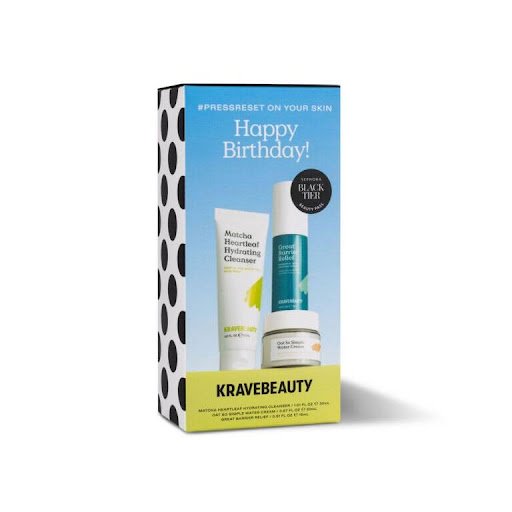
Mastering Makeup Product Photography: Tips for Stunning Beauty Shots
Makeup product photography plays a crucial role in capturing attention, building trust, and showcasing the quality of beauty products. Whether you’re a brand, influencer, or freelance photographer, producing clean, eye-catching visuals is essential for marketing, ecommerce, and social media. With the beauty industry becoming more competitive every day, mastering the art of makeup product photography can set your work apart and elevate your brand’s presence.
Why Makeup Product Photography Matters
In the beauty world, visuals influence buying decisions more than ever. Shoppers want to see true colors, packaging details, textures, and finishes before making a purchase. High-quality images not only attract attention but also help establish credibility and professionalism.
Essential Equipment for Makeup Photography
While creativity is key, having the right tools helps ensure consistent, professional results.
Camera and Lenses
A DSLR or mirrorless camera with a macro or prime lens allows you to capture fine details and sharp textures. Macro lenses are especially useful for close-ups of eyeshadows, lipsticks, and skincare textures.
Lighting Equipment
Good lighting is the foundation of makeup photography. Softbox lights, LED panels, or natural light setups help create even, shadow-free images. Lighting influences how colors and finishes appear, making it critical for beauty shots.
Backdrops and Surfaces
Minimalistic backdrops in white, beige, or soft pastels help emphasize the product. Acrylic, marble, and textured boards are also popular for beauty layouts and flatlays.
Props and Styling Tools
Makeup brushes, flowers, cosmetic bags, and fabric swatches can enhance the story, but props should never overpower the product.
Setting Up the Perfect Shot
To create stunning visuals, composition and attention to detail are key.
Clean and Prepare the Products
Remove fingerprints, dust, and smudges before shooting. Even small imperfections will show up when zoomed in, so cleanliness matters.
Use Stable Positioning
A good tripod prevents shaky or uneven shots, ensuring consistency, especially in flatlay or close-up photography.
Experiment With Angles
Different angles highlight different aspects of a product. Top-down shots are ideal for palettes and collections, while 45-degree angles help showcase packaging and shape.
Focus on True Color Representation
Color accuracy is essential in beauty photography. Use white balance tools and color charts to ensure your images match the actual product shades.
Lighting Techniques for Makeup Product Photography
Lighting determines the mood, clarity, and overall quality of your makeup shots.
Soft, Diffused Lighting
This helps eliminate harsh shadows and highlights, making it perfect for foundation bottles, lipsticks, and eyeshadow palettes.
Backlighting for Texture
For products with shimmer or gloss, backlighting enhances texture and dimension, creating a premium look.
Side Lighting for Depth
Side lighting adds shadows and contrast, making products appear more dynamic and visually appealing.
Tips for Styling and Visual Appeal
Creativity plays a huge role in making the image stand out.
Keep the Composition Balanced
Avoid clutter and distractions. The product should remain the focal point of the photograph.
Use Props Thoughtfully
Small props help tell a brand story, but too many can overwhelm the frame. Props should complement, not compete.
Incorporate Brand Identity
Use colors, textures, and patterns that align with the brand’s theme. Consistent styling strengthens brand recognition.
Shooting Makeup Textures
Makeup isn’t just about packaging—texture photography is just as important.
Swatches
Swatches help consumers understand pigmentation and texture. Use clean strokes and even application for professional results.
Liquid and Cream Products
Foundations, serums, and glosses look best with smooth, even spreads. Palette knives or silicone tools create neat textures.
Shimmer and Glitters
To highlight shimmer, use directional lighting that enhances sparkle without blowing out details.
Editing and Post-Processing Techniques
Post-production is where professional makeup photography comes to life.
Color Correction
Ensure shades appear true to real life. Slight adjustments can fix lighting inconsistencies and improve accuracy.
Retouching Imperfections
Remove dust, scratches, and smudges while keeping the product natural and untouched.
Enhancing Texture and Detail
Sharpening and clarity adjustments help bring out fine details without making the image look artificial.
Common Mistakes to Avoid
Avoiding common errors ensures your photos remain clean, high-end, and compelling.
Overusing Props
Too many props distract from the main product and dilute the message.
Harsh Lighting
Direct, unfiltered light can create unflattering highlights and distort colors.
Ignoring Composition Rules
Messy layouts or poor spacing can make the image appear cluttered or unprofessional.
Final Thoughts
Mastering makeup product photography in NYC requires a blend of creativity, technical skills, and attention to detail. With the right lighting, equipment, styling techniques, and post-production workflow, you can create visually stunning images that elevate the appeal of any beauty product. Whether you’re shooting for ecommerce, social media, or advertising campaigns, high-quality makeup photography helps your brand stand out and leaves a lasting impression on viewers.