
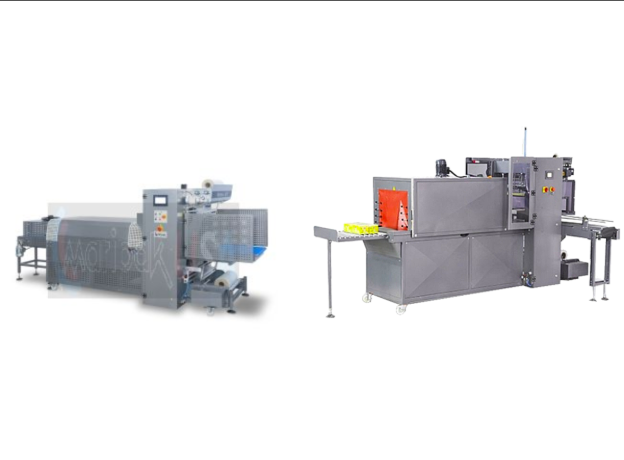
Trends in Automatic Shrink Packing Machine Technology
The packaging industry has experienced significant transformation in recent years, driven by advancements in automation and sustainability. Businesses across food, pharmaceutical, electronics, and logistics sectors are increasingly adopting modern solutions to meet the rising demands for efficiency and precision. One development that has stood out is the automatic shrink packing machine, a technology that continues to evolve in line with changing industry standards and consumer expectations.
Increasing Focus on Energy Efficiency
Sustainability has become a critical concern for manufacturers, and packaging technologies are no exception. The latest automatic shrink packing machine models are designed to operate with lower energy consumption while maintaining consistent sealing quality. Innovations such as smart heat tunnels and improved insulation systems allow manufacturers to cut down on electricity use. This not only reduces operating costs but also helps companies align with global sustainability goals. By minimizing waste and optimizing power usage, modern designs are more environmentally friendly than earlier models.
Integration With Smart Factory Systems
Another significant trend in the automatic shrink packing machine sector is the integration with Industry 4.0 and smart factory systems. Today’s equipment can be linked with centralized monitoring platforms to provide real-time insights into performance, error detection, and predictive maintenance needs. Sensors and data analytics tools allow operators to track output, adjust settings remotely, and prevent downtime through early fault detection. This connectivity enhances production efficiency and reduces the risk of costly interruptions, making it a valuable asset in high-volume environments.
Adaptability for Varied Product Sizes
In modern manufacturing and distribution, flexibility is a necessity. The automatic shrink packing machine is now being designed to handle a wide range of product sizes and shapes with minimal adjustments. Quick-change components and modular designs ensure that packaging lines can easily switch between small consumer goods, larger electronics, or bulk food items. This adaptability is particularly important for businesses serving diverse markets or working in e-commerce, where packaging requirements change rapidly depending on customer demand.
Emphasis on High-Speed Operations
Speed remains one of the most critical factors in industrial packaging. Recent innovations in the automatic shrink packing machine have significantly improved cycle times without compromising accuracy. Servo-driven systems, advanced conveyor technology, and enhanced film-feeding mechanisms ensure faster processing with reduced chances of jams or errors. High-speed performance allows manufacturers to scale operations efficiently, meeting the growing demand for fast delivery, especially in sectors like pharmaceuticals and online retail.
Focus on User-Friendly Interfaces
Modern automatic shrink packing machine models also emphasize ease of operation. Newer systems often come equipped with intuitive touchscreens, multilingual support, and automated troubleshooting guides. These improvements reduce the reliance on highly specialized operators and allow businesses to train staff more quickly. Enhanced safety features such as automatic shutdown functions and transparent guarding also contribute to a safer work environment, minimizing risks while maintaining high productivity levels.
Advancements in Film Technology
Film materials used in shrink packaging have also evolved alongside machine technology. Many automatic shrink packing machine designs now accommodate eco-friendly films made from recyclable or biodegradable materials. These films require precise temperature control to achieve proper sealing, and modern systems are equipped to handle them effectively. By combining sustainable materials with efficient machines, manufacturers can offer environmentally responsible packaging without sacrificing durability or shelf appeal.
Conclusion
The evolution of packaging technology reflects the broader needs of modern industry: efficiency, sustainability, and adaptability. From energy-saving features to smart connectivity and advanced materials, the automatic shrink packing machine continues to evolve as a key tool for manufacturers. Companies that adopt these innovations position themselves to remain competitive in a fast-changing market while meeting regulatory and consumer demands. The ongoing development of machine packaging will play a defining role in shaping the future of global production and distribution.