
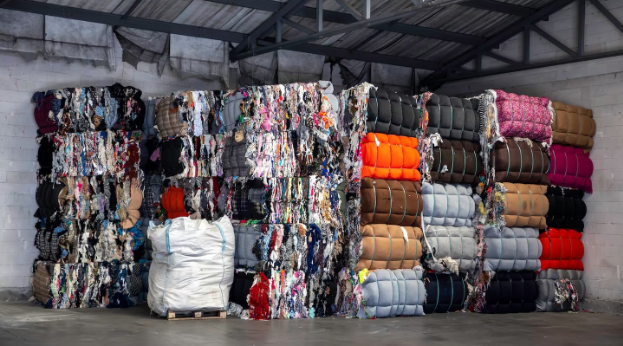
How the Hospitality Industry Benefits from Bulk Textile Recycling
The hospitality industry, encompassing hotels, resorts, restaurants, and event venues, generates a considerable volume of textile waste. Items such as bed linen, towels, uniforms, curtains, and tablecloths are replaced frequently due to wear and tear, hygiene requirements, or aesthetic updates. This leads to a significant environmental burden unless sustainable disposal methods are adopted. One increasingly effective and responsible approach is textile recycling. By embracing bulk textile recycling programs, hospitality businesses across Australia can not only minimise waste but also improve their environmental footprint and meet growing consumer expectations for sustainability.
The Growing Demand for Sustainability in Hospitality
Sustainability is no longer a marketing buzzword—it is a core expectation from guests, corporate clients, and stakeholders in the hospitality industry. Travellers are more environmentally conscious than ever, often choosing accommodation and services that align with their values. As a result, operators must take proactive steps to reduce waste and adopt greener practices. Bulk textile recycling serves as a practical and visible method to meet these expectations, reinforcing a venue’s commitment to responsible resource management.
Cost-Efficiency Through Waste Diversion
While initial investments in recycling infrastructure may seem challenging, bulk textile recycling offers long-term cost benefits. Waste disposal fees, particularly for general landfill waste, continue to rise across Australia due to stricter regulations and increased landfill levies. By diverting textiles from landfills, hospitality providers can reduce their overall waste management costs. Many recycling providers offer commercial pickup services, making the transition seamless and cost-efficient.
Moreover, recycled textiles can be transformed into new materials, such as insulation, wiping cloths, or furniture padding, reducing the demand for virgin materials. This circular approach helps reduce procurement costs and supports a more sustainable supply chain.
Improved Brand Image and Customer Loyalty
Modern consumers, especially younger demographics and corporate event planners, are actively seeking eco-conscious brands. Implementing visible initiatives such as bulk textile recycling can significantly enhance a hospitality venue’s brand image. Displaying sustainability certifications, case studies, or signage that outlines recycling efforts can instill confidence and attract environmentally aware guests.
Furthermore, staff engagement in recycling programs fosters a culture of environmental responsibility, which positively reflects on the customer experience. A hotel or resort known for its commitment to sustainable practices often enjoys better reviews, greater customer loyalty, and increased referral business.
Streamlined Operations and Better Inventory Management
Bulk textile recycling also provides operational benefits by encouraging more efficient inventory management. When businesses participate in structured recycling programs, they often implement better tracking of linen and textile use, replacement cycles, and condition assessments. This leads to fewer unnecessary replacements, minimising textile purchases and reducing waste generation at the source.
Additionally, some recycling programs offer data reporting tools that help facilities monitor their recycling rates. These metrics can be integrated into sustainability reports, contributing to transparency and corporate accountability.
Contribution to Industrial Waste Management Goals
Textiles form a significant portion of commercial and industrial waste in Australia. Effective industrial waste management strategies are critical for meeting national environmental goals, including landfill diversion targets and emissions reduction. By engaging in textile recycling, the hospitality industry plays a pivotal role in this larger effort.
Hotels and other facilities often fall under state and local waste regulations that require them to document and improve their waste management practices. Bulk recycling solutions offered by providers like OGTEC help hospitality operators remain compliant with these standards while supporting Australia’s broader transition to a circular economy.
Customised Recycling Programs for Hospitality
Recycling providers now offer specialised solutions designed specifically for the hospitality sector. These include secure textile collection bins, scheduled pickups, and the ability to process a wide variety of fabrics and fibre blends. In some cases, providers even offer traceability solutions that document where the textiles are processed and how they are reused or repurposed.
This tailored approach ensures that hospitality businesses can seamlessly integrate textile recycling into their daily operations without disruption. Whether it’s a boutique hotel or a large-scale resort, customised services allow operators to scale their recycling efforts as their operations grow.
Regulatory Compliance and ESG Reporting
With increasing scrutiny on Environmental, Social, and Governance (ESG) performance, hospitality operators must provide clear evidence of sustainability initiatives. Textile recycling programs provide measurable data that can be included in ESG reports and other regulatory documentation. This transparency not only supports compliance but also enhances a business’s reputation among investors and corporate clients.
Organisations that can demonstrate strong environmental stewardship through waste minimisation and resource recovery are better positioned to win tenders, contracts, and partnerships with like-minded organisations.
Conclusion
The hospitality industry has much to gain from adopting bulk textile recycling practices. From cost savings and operational efficiency to improved branding and regulatory compliance, the benefits are both immediate and long-term. Most importantly, textile recycling contributes meaningfully to responsible waste management, helping businesses play their part in protecting Australia’s environment for future generations.