
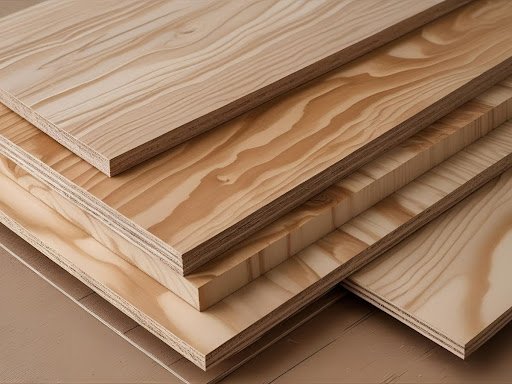
The Role Of Die Board Plywood In Streamlining Production
In modern manufacturing, efficiency is everything, and one material that plays a surprisingly crucial role in this process is die board plywood. Known for its durability and precision, it has become a go-to choice in industries that rely heavily on cutting dies and stamping operations. Companies across various sectors use it to streamline production lines, reduce waste, and maintain consistency in their products. When manufacturers invest in this high-quality material, they aren’t just buying wood—they are investing in smoother operations and long-term performance.
Why Die Board Plywood Matters In Manufacturing
Die plywood board is engineered with strength and stability in mind. Unlike standard plywood, it is designed to handle the repeated stress of die cutting without warping or breaking down. This resilience is vital in packaging, printing, footwear, and automotive industries, where precision and uniformity are non-negotiable. By using it, manufacturers can extend the life of their cutting tools and ensure their machines perform at optimal capacity.
Precision And Accuracy In Production
Consistency is key in any production line. Die board plywood ensures exactness in every cut, allowing manufacturers to produce identical pieces repeatedly. This is particularly important in packaging, where even minor deviations can lead to costly errors. Its dimensional stability ensures that the design specifications are met every time, helping companies avoid downtime due to inaccuracies. This level of precision translates into efficiency and trust in the final product.
Durability That Cuts Costs
Another advantage of die board plywood is its longevity. Because it can withstand significant mechanical stress, businesses don’t have to replace cutting boards as frequently. This durability reduces maintenance costs and minimizes interruptions on the production floor. Over time, the savings from fewer replacements and smoother operations can be substantial, proving that this material is not just practical but also cost-effective.
Supporting High-Volume Production
In high-demand industries, speed and reliability are essential. Die board plywood supports high-volume output without sacrificing quality. Its design ensures that cutting tools maintain sharpness longer, resulting in cleaner cuts and reduced wear. Keeping production lines moving at a steady pace helps businesses meet deadlines and maintain their competitive edge in fast-moving markets.
Sustainability And Material Sourcing
Sustainability is an increasingly important consideration in manufacturing. Die board plywood is often produced with eco-friendly processes and responsibly sourced wood. By choosing sustainable options, companies not only improve their environmental impact but also meet the expectations of today’s conscious consumers. This commitment to sustainability can enhance a brand’s reputation while still delivering reliable performance on the production floor.
Versatility Across Industries
One of the standout qualities of die board plywood is its versatility. It is not limited to one sector but serves a wide range of industries. From packaging and printing to leather goods and automotive, its adaptability makes it a valuable investment. Businesses looking for a reliable cutting surface find that it delivers across different applications, ensuring consistent performance no matter the complexity of the design.
Streamlining Operations With Modern Solutions
When integrated into a manufacturing setup, die board plywood becomes a core part of optimizing workflow. It reduces downtime, supports precision, and cuts costs associated with repairs and replacements. For businesses aiming to maximize output without compromising quality, this material acts as a silent yet powerful partner in the production chain.
Conclusion
In today’s competitive markets, materials that support efficiency and accuracy are invaluable. Die board plywood continues to prove itself as one such material, providing manufacturers with durability, precision, and cost savings. Its role in streamlining operations goes far beyond being a simple wood product—it becomes part of a company’s strategy for long-term success. And as industries expand globally, sourcing from trusted suppliers becomes crucial. Whether companies rely on dieboard, a standard die board, or broader wood imports, choosing the right material can determine how smooth and profitable their production truly is.