
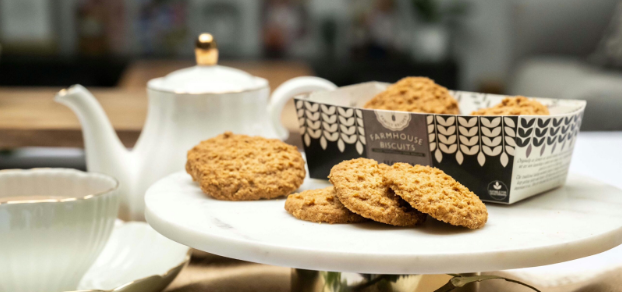
How Traditional British Biscuits Became Cultural Icons
Few things evoke the essence of British culture quite like a steaming cup of tea paired with a delicious biscuit. Over the years, Traditional British Biscuits have grown from simple teatime treats into beloved cultural staples, earning a place not just on the nation’s tables but also in its collective heart. Their unique textures, rich flavours, and nostalgic value make them more than just snacks—they are emblems of heritage, hospitality, and tradition.
This blog explores the evolution of these biscuits, their deep-rooted cultural significance, and how brands, families, and artisans have helped turn them into icons of British identity.
The Humble Origins of British Biscuits
The term “biscuit” comes from the Latin bis coctus, meaning “twice-baked.” In Britain, however, the biscuit developed its own identity—crispy, sweet, and perfect for dunking in tea. In the early days, biscuits were practical: they were dry and had a long shelf life, ideal for sailors and travellers.
Over time, as sugar became more accessible and baking techniques improved, biscuits evolved. By the 19th century, they had become a staple in British households, especially with the rise of afternoon tea, a custom popularised by the Duchess of Bedford.
A Biscuit for Every Taste
One of the reasons Traditional British Biscuits have endured is their incredible variety. Whether it’s the buttery richness of shortbread, the crunch of a digestive, or the creamy centre of a bourbon, there’s a biscuit to suit every palate.
In fact, biscuit preferences often carry personal or regional significance. For instance, custard creams and jammy dodgers may evoke childhood memories, while oat biscuits or ginger nuts are favoured in many countryside homes for their robust texture and hearty taste.
Among the modern purveyors keeping this tradition alive, Farmhouse Biscuits stand out. Based in Lancashire, this family-run bakery has upheld traditional recipes while introducing new flavours, making them a popular choice for those who value both authenticity and innovation.
Afternoon Tea: A National Ritual
The tradition of afternoon tea is inseparable from the story of the British biscuit. Originally a light meal between lunch and dinner, it quickly became a fashionable social event. Fine china, dainty sandwiches, and an assortment of biscuits and cakes adorned the table.
Biscuits became a symbol of refinement and taste, especially those presented in elegant tins or served on silver trays. This is where posh biscuits gained prominence—varieties adorned with chocolate, spices, or fruit fillings that distinguished them from their plainer cousins. These indulgent options signalled status, taste, and the ability to entertain with style.
Today, these more luxurious offerings are still seen as special-occasion treats, perfect for gifting or celebrating, yet they maintain a link to their humble roots.
The Role of Biscuits in British Pop Culture
Beyond the tea table, traditional British biscuits have seeped into literature, television, and daily banter. In British sitcoms and dramas, the offer of a biscuit is often shorthand for comfort, camaraderie, or even awkward social rituals. You’ll find them mentioned in everything from Downton Abbey to Doctor Who, serving as cultural signposts that convey setting, mood, and social class.
In schools, workplaces, and government offices, the biscuit tin is a unifying force—open to all, a source of small pleasure and shared experience. The biscuit break isn’t just about sustenance; it’s about taking a moment to connect.
This everyday familiarity is part of what makes them icons. You may forget your lunch, but you rarely forget the biscuits for the meeting.
Tradition Meets Modernity
While some may worry that the rise of health-conscious trends and globalised snack options could diminish the role of the British biscuit, the opposite has occurred. Many bakeries and producers have adapted by offering gluten-free, vegan, and low-sugar varieties while preserving the essence of the biscuit’s original charm.
Farmhouse Biscuits, for example, have embraced both traditional and contemporary tastes, catering to evolving dietary needs without sacrificing quality or flavour. Their continued popularity speaks to the enduring relevance of the British biscuit in modern life.
Additionally, there’s been a resurgence in appreciation for hand-crafted and artisan food products. As consumers seek authenticity and traceability, traditional biscuit makers find themselves in high demand. Heritage brands, often run by generations of the same family, have become trusted names that offer more than just a snack—they offer a story.
Conclusion
In a world that moves ever faster, the enduring popularity of Traditional British Biscuits is a testament to the value of small, comforting rituals. They are more than baked goods; they are cultural artefacts, bridges between generations, and symbols of community and care.