
Mastering Pool Chemical Balance: A Guide for Luxury Owners
Owning a luxurious swimming facility is a rewarding experience, offering a refreshing escape during the hot summer months. However, maintaining that oasis requires careful attention to chemical balance. Properly balanced elements ensure crystal-clear conditions, enhance equipment longevity and provide a safe swimming environment. For example, to ensure regular maintenance of your pool, companies like Four Seasons Pool Supplies are well known for their services. This guide will explore the essential aspects of pool chemistry, offering practical tips for luxury owners.
Understanding Pool Chemistry
The foundation of effective maintenance lies in understanding the primary components that affect quality. These include:
- pH: This measures the acidity or Alkalinity, ideally maintained between 7.4 and 7.6. A balanced pH ensures Chlorine works effectively and minimizes eye and skin irritation.
- Chlorine: It is the primary disinfectant, keeping harmful bacteria and algae at bay. The ideal range for Chlorine is 1 to 3 parts per million (ppm).
- Alkalinity: Total Alkalinity acts as a buffer for pH, helping to stabilize fluctuations. The recommended range is 80 to 120 ppm.
- Calcium Hardness: It refers to the amount of dissolved calcium in the solution. A range of 200 to 400 ppm is ideal, as it prevents corrosion of surfaces and equipment.
- Cyanuric Acid: Often referred to as a stabilizer, this protects Chlorine from being degraded by sunlight. The ideal level is between 30 and 50 ppm.
The Importance of Chemical Balance
Maintaining the right balance of these components is crucial for several reasons:
- Clarity: Properly balanced conditions ensure that your facility remains clear and inviting, enhancing the overall aesthetic of your outdoor space.
- Safety: Unbalanced conditions can lead to harmful bacteria growth, posing health risks to swimmers.
- Equipment Longevity: Corrosive environments can damage pumps, filters, and heating systems, leading to costly repairs or replacements.
- Comfort: Balanced conditions reduce skin and eye irritation, making swimming a more enjoyable experience for you and your guests.
Steps to Achieve and Maintain Balance
1. Regular Testing
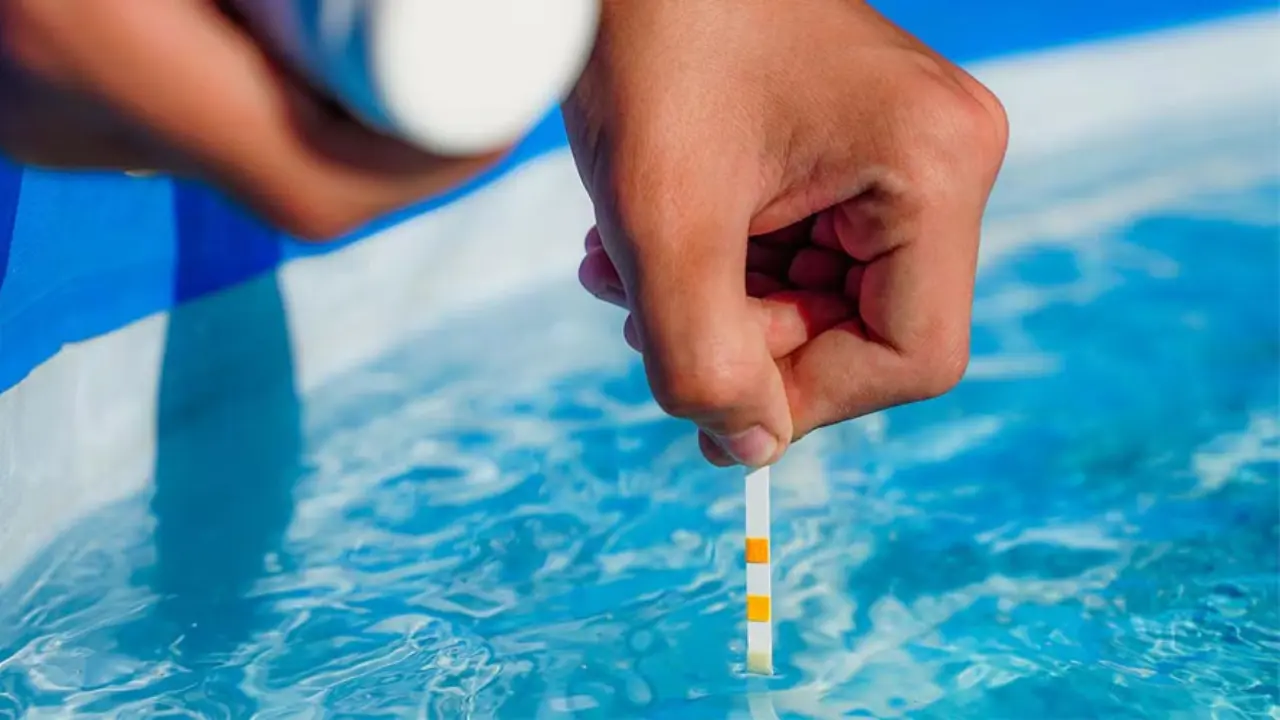
Testing is the first step in achieving balance. Use test strips or a liquid kit to measure pH, Chlorine, Alkalinity, calcium hardness, and cyanuric acid levels. Testing should be done at least once weekly, with more frequent checks during peak swimming seasons or after heavy rain.
2. Adjusting pH
If the pH is too high, lower it by adding muriatic acid or sodium bisulfate. If it’s too low, raise it using sodium bicarbonate or soda ash. Always follow the manufacturer’s instructions for dosing.
3. Managing Chlorine
You can use liquid or granular Chlorine to maintain proper levels. To eliminate contaminants, shock your facility periodically, especially after heavy usage or rain.
4. Balancing Alkalinity
If total Alkalinity is too low, add sodium bicarbonate to raise it. Conversely, you can add muriatic acid or sodium bisulfate to lower it. Maintaining Alkalinity helps stabilize pH.
5. Calcium Hardness Control
If calcium hardness is too low, add calcium chloride to increase it. If levels are too high, you may need to drain and partially refill with fresh water.
6. Adjusting Cyanuric Acid
Adding stabilized chlorine products can raise cyanuric acid levels. If levels are too high, the only solution is to drain and partially refill with fresh water.
Preventive Measures
In addition to regular testing and adjustments, several preventive measures can help maintain balance:
- Proper Filtration: Ensure your filtration system is operating effectively. Run the filter for at least 8-12 hours daily to keep conditions circulating and contaminants removed.
- Cleaning: Regularly clean to remove debris and prevent organic matter from affecting quality. Skim the surface, brush the walls, and vacuum the floor weekly.
- Covering the Area: When not in use, cover your facility to minimize debris, evaporation, and chemical degradation caused by sunlight.
- Controlling Bather Load: Limit the number of swimmers at a time to reduce the introduction of contaminants.
Dealing with Common Issues
1. Cloudy Conditions
Cloudy conditions often result from improper balance, insufficient filtration, or debris buildup. To clear it up, check your measurements, shock the area, and ensure your filter runs correctly.
2. Algae Growth
If you notice green or black spots, it may indicate an algae problem. Shock the area, brush the surfaces, and consider using an algaecide. Regularly maintaining Chlorine can prevent future outbreaks.
3. Scaling
Scaling can occur if calcium hardness is too high, leading to surface buildup. Reduce calcium levels through partial draining or add scale prevention chemicals to combat this.
Hiring Professionals
While many luxury owners prefer a hands-on approach, hiring professionals for regular service can save time and ensure expertise. Service companies can provide thorough testing, adjustments, and cleaning, allowing you to enjoy your oasis without worry.
Conclusion
Mastering the balance of your swimming facility is vital for maintaining a safe, inviting, and luxurious environment. By understanding the components involved, conducting regular tests, and taking preventive measures, you can ensure your space remains pristine. A well-maintained area enhances your outdoor space and creates a perfect setting for relaxation and entertainment. Whether you manage the process yourself or hire professionals, the investment in proper balance will pay off in the long run. Enjoy your luxurious retreat confidently, knowing your facility is a sparkling haven of tranquility.