
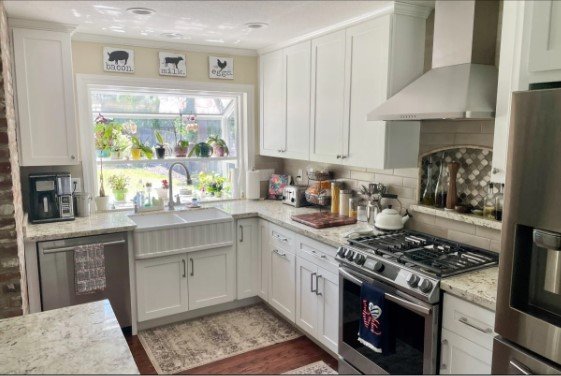
42 Inch Exhaust Hood vs Smaller Sizes: Is Bigger Better?
Choosing the right exhaust hood for your kitchen is crucial for effective ventilation, comfort, and aesthetics. One common question among homeowners is whether a 42 exhaust hood is better than smaller options. While larger hoods can provide superior coverage and airflow, the right size depends on your cooktop, kitchen layout, and cooking habits. This guide explores the advantages, considerations, and practical tips for selecting the ideal exhaust hood size.
Why Hood Size Matters
The size of your 42 exhaust hood directly impacts its ability to capture smoke, steam, grease, and cooking odors. A hood that is too small may leave your kitchen filled with smoke or lingering smells, while an oversized hood can be unnecessary and visually overwhelming. Matching the hood size to your cooktop is key for optimal performance.
Matching Hood Width to Cooktop
A common guideline is to choose an exhaust hood that is at least as wide as your cooktop, or slightly wider. For example:
- A 36-inch cooktop pairs well with a 36-inch hood.
- A 36-inch cooktop can also benefit from a 42-inch hood for extended coverage, particularly if you often cook multiple dishes at once.
Airflow Capacity
Exhaust hood size affects airflow measured in CFM (cubic feet per minute). Larger hoods can typically handle higher CFM ratings, making them more effective at removing smoke, grease, and odors. For kitchens with high-output cooktops or frequent frying and grilling, a 42-inch hood may provide better performance than smaller models.
Benefits of a 42-Inch Exhaust Hood
Enhanced Smoke and Odor Removal
The wider coverage area allows a 42-inch hood to capture more smoke and airborne particles before they spread throughout the kitchen, maintaining cleaner air and reducing lingering odors.
Greater Versatility
Larger hoods can handle multiple burners simultaneously, making them ideal for households that cook often or host large gatherings.
Improved Aesthetic Presence
A 42 exhaust hood can serve as a centerpiece in the kitchen, especially for island cooktops or open-concept designs. Its size can balance the visual proportions of a large stove or multiple burners.
Considerations for Choosing Larger Hoods
Kitchen Size and Proportion
A large exhaust hood may overpower a small kitchen visually and make the space feel crowded. Always consider ceiling height, cabinet placement, and overall kitchen layout before selecting a bigger model.
Cost
Larger hoods generally come with higher price tags, both for purchase and installation. Consider whether the increased performance justifies the cost for your kitchen needs.
Installation Complexity
42-inch hoods may require reinforced mounting, more powerful ducting, and additional support, particularly for island installations. Smaller hoods are usually simpler to install and may require less structural preparation.
Noise Levels
While larger hoods often provide better ventilation, they may produce more noise at high speeds. Modern designs aim to minimize this, but it’s worth comparing decibel ratings before purchase.
When a Smaller Hood Is Sufficient
Smaller hoods, such as 30- or 36-inch models, are often sufficient for compact kitchens, single-burner cooktops, or light cooking habits. They provide adequate ventilation without dominating the space and are typically easier and more cost-effective to install.
Tips for Optimal Performance with Smaller Hoods
- Ensure the 42 under-cabinet range hood is installed at the proper height above the cooktop (typically 24–30 inches for electric stoves, 28–36 inches for gas).
- Choose a model with sufficient CFM to handle your cooking load.
- Keep filters clean and replace them as recommended to maintain airflow efficiency.
Conclusion
Choosing between a 42 under cabinet range hood and smaller sizes depends on your kitchen layout, cooking habits, and aesthetic preferences. Larger hoods offer superior coverage, higher airflow, and a striking visual presence, making them ideal for spacious kitchens and high-output cooktops. Smaller hoods, however, are practical, cost-effective, and suitable for compact spaces or moderate cooking needs. By assessing your kitchen’s dimensions, cooktop size, and ventilation requirements, you can select the right hood to keep your kitchen smoke-free, comfortable, and stylish.