
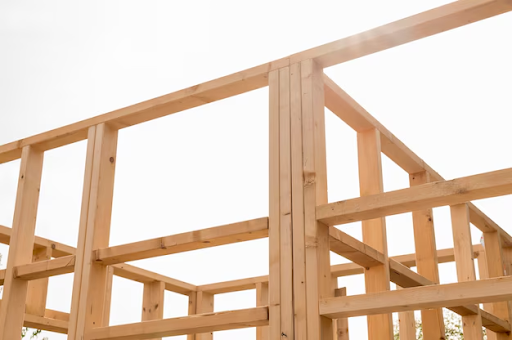
Why Are Timber Frame Structures Popular Today?
Timber frame structures represent one of humanity’s oldest building methods, yet they continue gaining popularity in modern architecture. This enduring appeal stems from timber’s unique combination of aesthetic warmth, structural integrity, environmental sustainability, and design versatility. Contemporary homeowners and architects increasingly recognize that timber framing offers advantages extending far beyond nostalgic charm, delivering practical benefits that modern construction methods struggle to match.
The Timeless Beauty of Natural Materials
Timber creates visual warmth that synthetic materials cannot replicate. The natural grain patterns, color variations, and organic textures provide character that develops beautifully over time. Skilled timber frame builders understand how to showcase wood’s inherent beauty while ensuring structural performance.
Exposed timber frames make powerful architectural statements. Large beams and posts create dramatic visual elements that define spaces without the need for decorative additions. The structural components themselves become design features, eliminating the separation between function and aesthetics common in conventional construction. This integrated approach produces buildings with authentic character that resonates with people seeking genuine craftsmanship.
Environmental Sustainability Advantages
Timber stands as one of the most environmentally responsible building materials available. Trees absorb carbon dioxide during growth, effectively storing carbon within their wood fiber. This carbon sequestration continues throughout the timber’s lifespan as a building material, making timber structures carbon-negative when sourced from responsibly managed forests.
Modern sustainable forestry practices ensure timber harvesting supports long-term forest health rather than degrading it. Certification programs verify that timber comes from well-managed forests where harvesting rates do not exceed growth rates. This renewable resource cycle contrasts sharply with materials requiring energy-intensive manufacturing processes or extracted through environmentally damaging mining operations.
Exceptional Structural Performance
Timber’s strength-to-weight ratio exceeds many conventional materials. This property allows timber frames to span impressive distances while maintaining structural integrity. The material’s natural flexibility helps buildings absorb and distribute stress from wind, snow loads, or seismic activity rather than resisting force rigidly and potentially failing catastrophically.
Properly designed and maintained timber structures demonstrate remarkable longevity. Historical buildings centuries old continue serving their communities, testament to timber’s durability when protected from moisture and insects. Modern treatments and construction techniques further enhance timber’s natural resistance to deterioration, ensuring contemporary structures will serve future generations.
Design Flexibility and Customization
Outdoor timber architecture particularly benefits from timber’s adaptability. The material accommodates diverse design visions, from rustic mountain retreats to sleek contemporary pavilions. Timber frames integrate seamlessly with other materials—glass, stone, metal—creating sophisticated compositions that highlight each material’s strengths.
Custom fabrication allows precise matching to specific design requirements. Timber can be shaped, joined, and finished in countless ways, enabling architects to realize unique visions. This versatility extends to project scales from intimate garden structures to expansive community buildings, with timber framing proving effective across the entire spectrum.
Energy Efficiency Benefits
Timber’s natural insulating properties contribute to building energy efficiency. Wood’s cellular structure provides inherent thermal resistance superior to materials like steel or concrete. When combined with modern insulation systems, timber-framed buildings achieve excellent energy performance.
The material’s thermal mass helps moderate indoor temperature fluctuations. Timber absorbs excess heat during warm periods and releases it when temperatures drop, reducing heating and cooling demands. This passive climate control reduces energy consumption and associated environmental impacts throughout the building’s operational life.
The Craft and Community Connection
Timber frame construction maintains connections to traditional craftsmanship while incorporating modern engineering. This blend of old and new appeals to people valuing skilled workmanship and authentic building practices. The joinery techniques used in timber framing represent accumulated knowledge refined over generations.
Working with timber often supports local economies. Many projects utilize regionally sourced materials and local craftspeople, strengthening community connections and reducing transportation-related environmental impacts. This localized approach creates buildings tied to their surroundings both materially and culturally.
Conclusion
The growing popularity of timber frame construction reflects informed recognition of the method’s comprehensive advantages. Beyond aesthetic appeal, timber offers genuine environmental benefits, structural excellence, design flexibility, and energy efficiency. As awareness of sustainable building practices increases, timber framing’s combination of traditional wisdom and contemporary performance positions it as an ideal solution for creating buildings that serve both present needs and future generations. The material’s authenticity and proven capabilities ensure timber frames will continue enhancing landscapes and communities for years to come.