
The Shift From Wearable Luxury to Vault Level Collecting
For much of the twentieth century, fine jewellery was designed to be worn. Pieces were created with movement, visibility, and social context in mind. Even the most valuable designs were expected to appear at dinners, events, or formal gatherings. Ownership implied presence. Over time, that expectation began to change. A quiet shift took place, moving luxury away from the body and toward the vault.
This change was not driven by fashion, but by behaviour. Collectors started to treat certain pieces differently. Items once worn occasionally began to stay at home. Eventually, they stopped leaving secure storage at all. The decision was not about fear or fragility. It was about recognition. Some objects had crossed a line where their role as adornment no longer made sense.
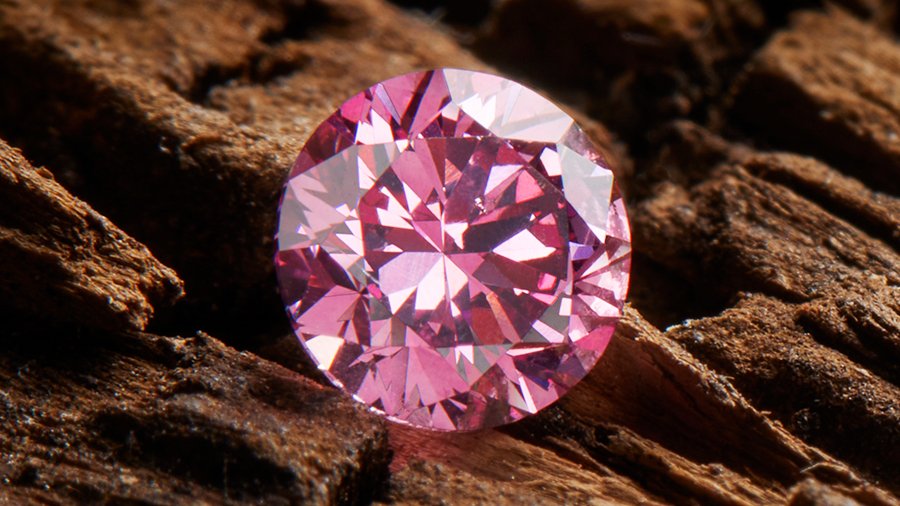
Several forces contributed to this shift. One was increased awareness of scarcity. As supply tightened across various categories, collectors became more conscious of replacement risk. If something could not be replaced, wearing it felt less like enjoyment and more like exposure. The emotional calculus changed. Preservation began to outweigh display, particularly for pieces associated with closed sources such as Argyle Pink Diamonds.
Another factor was the professionalisation of collecting. Buyers became more informed, more connected, and more analytical. They studied market behaviour, tracked private sales, and understood how rarely certain pieces circulated. With that knowledge came a change in mindset. Jewellery stopped being a personal accessory and started behaving like an asset class.
Vault-level collecting does not imply disinterest in beauty. On the contrary, it reflects a deeper appreciation. Pieces selected for vault storage are often admired more closely, not less. They are examined, documented, and protected with intention. The experience simply shifts from public to private. Appreciation becomes quieter.
Design itself adapted to this reality. Pieces intended for vault-level collecting often prioritise material over wearability. Settings are secure rather than flexible. Proportions are considered for longevity rather than comfort. Designers understand that these pieces may be handled more than worn. The tactile experience changes accordingly.
This shift also altered how collectors talk about ownership. Language moved away from use and toward stewardship. Owners began describing themselves as temporary holders rather than permanent possessors. This framing reflects an understanding that such pieces will likely outlast them. Jewellery became something to pass on, not pass around.
Insurance and security considerations reinforced this behaviour. As values rose, the logistics of wearing certain items became more complex. Transportation, coverage limits, and risk assessments all added friction. For many collectors, the effort no longer justified the outcome. A piece could be deeply valued without being visible.
Within this context, Argyle Pink Diamonds are often referenced as an example of material that accelerated the move toward vault-level thinking. Once supply ended, owners reassessed how they interacted with pieces connected to that origin. The question was no longer how often they could be worn, but how well they should be protected.
Auction behaviour reflected this shift as well. Pieces suitable for vault-level collecting began appearing less frequently. When they did surface, they often came from estate transitions rather than active resale. This reinforced the idea that once acquired, such items rarely re-enter circulation.
Interestingly, vault-level collecting also changed how success is measured. Visibility stopped being the primary signal of status. Instead, knowledge and restraint took its place. Collectors earned respect not for what they wore, but for what they quietly held. This marked a significant cultural change within luxury circles.
There is also a generational element at play. Younger collectors, raised in a world of digital assets and remote access, are comfortable valuing things they do not physically display. Vault-level collecting aligns naturally with this mindset. Ownership does not require constant visibility to feel real.
This does not mean wearable luxury has disappeared. Many pieces are still designed to be enjoyed publicly. What has changed is the existence of a clear boundary. Some objects now sit firmly on the other side of it. They are acquired with different intentions, stored with different standards, and discussed with different language.