
The Safety Upgrade Many Facilities Leave Too Late
Most training and sports facilities do not ignore safety. Floors are checked. Equipment is inspected. Emergency procedures are posted clearly on the wall. Yet one protective element often sits low on the priority list until a close call forces attention.
That element is perimeter protection.
In fast-moving environments, impact risk does not stop at the floor. Athletes, students, and participants frequently move laterally, lose balance near boundaries, or carry momentum beyond the intended activity zone. When this happens, the absence of proper wall padding becomes immediately visible.
The delay in upgrading usually comes from a quiet assumption. Many operators believe boundary impacts are rare enough to manage through supervision alone. In reality, high-energy spaces create unpredictable movement patterns. Even experienced participants misjudge distance when speed and fatigue combine.
Facilities typically discover this risk in stages. First comes the near miss. Someone brushes a hard surface during a drill. Next comes the minor incident that does not require formal reporting but raises concern among staff. By the time a serious collision occurs, the upgrade conversation is already overdue.
The early warning signs are often subtle. Coaches begin adjusting drills to keep activity away from the edges. Participants hesitate near walls. Supervisors increase verbal reminders about spatial awareness. These behavioural shifts suggest the environment is compensating for a physical protection gap.
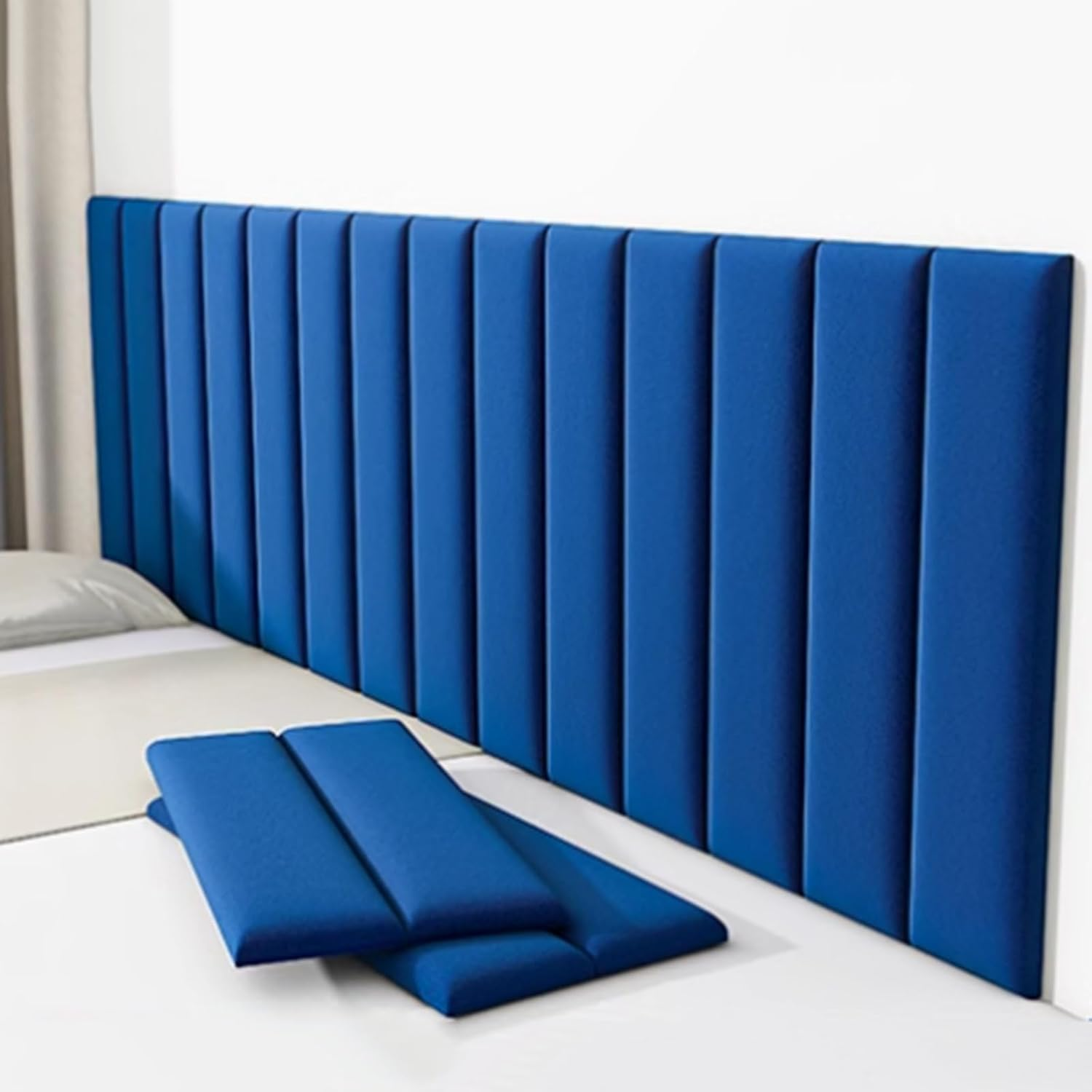
Well-designed wall padding addresses this exposure by absorbing lateral force before it transfers fully to the body. The goal is not simply to soften contact, but to reduce peak impact and distribute energy across a wider surface area. When installed correctly, the protection works quietly in the background without interfering with normal activity.
However, not all installations deliver the same result. One common mistake is treating wall padding as decorative cushioning rather than engineered protection. Panels selected only for appearance or minimal thickness often compress too quickly under real impact conditions. The surface may look adequate while providing limited energy absorption.
Placement strategy also matters more than many facilities expect. High-risk zones are not always obvious. Corners, transition areas between activity stations, and spaces near entry points often experience more lateral movement than central walls. Facilities that map traffic flow and training patterns tend to position wall padding more effectively.
Maintenance is another area where delays create risk. Over time, repeated contact can reduce the protective performance of even well-made panels. Surface firmness increases gradually, and because the change is incremental, it may go unnoticed during routine visual checks. Without periodic hands-on inspection, degraded wall padding can remain in service longer than intended.
Budget timing frequently explains why upgrades happen late. Perimeter protection competes with visible investments such as new equipment or flooring. Since wall padding does not directly generate revenue, it is sometimes pushed into future planning cycles. Unfortunately, the cost of waiting often exceeds the savings from delay.
Facilities that move earlier usually benefit from smoother operations. Coaches run drills with greater confidence near boundaries. Participants move more freely within the space. Incident risk drops in ways that may not always be dramatic but are consistently measurable over time.
There is also a reputational layer to consider. Parents, athletes, and programme partners increasingly notice safety details during facility evaluations. Visible, well-maintained wall padding signals proactive risk management. Its absence can quietly raise questions about overall safety standards.
Looking ahead, expectations around facility safety will continue to tighten. Training intensity is rising across many disciplines, and spaces are being used more heavily throughout the day. Passive protection measures that once seemed optional are becoming part of baseline planning.
The safety upgrade many facilities leave too late is rarely complicated to implement. The challenge is recognising the risk early enough to act before incidents force the decision. Spaces that prioritise their wall padding proactively tend to maintain both safer environments and stronger operational confidence.