
The Evolution and Future of FASTag in India: A Road Towards Seamless Transportation
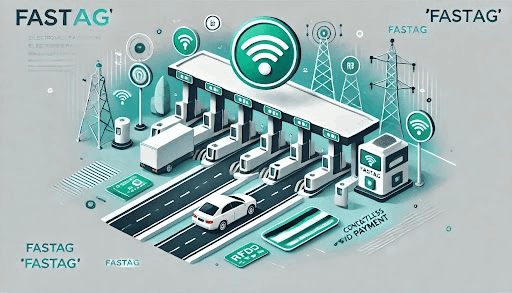
The emergence of FASTag has revolutionized the way toll payments are made in India, making vehicular movement through toll plazas smoother and more efficient. Introduced prominently by the National Highways Authority of India (NHAI), FASTag operates using Radio Frequency Identification (RFID) technology, enabling automatic deduction of toll charges as vehicles pass through toll plazas. Among the various banking and financial institutions facilitating this service, State Bank of India FASTag stands out for its extensive reach and user-friendly services.
The Evolution of FASTag
In its initial phase, the FASTag project was met with numerous challenges, including awareness among vehicle owners and infrastructural constraints at toll plazas. However, with persistent efforts from NHAI and collaborations with leading banks like the State Bank of India, the project gained substantial traction. By mid-2019, the government mandated FASTag for all vehicles, significantly boosting its adoption and streamlining toll operations across national highways.
The Role of State Bank of India in FASTag
State Bank of India FASTag played a fundamental role in accelerating the outreach of this revolutionary toll management system. Being one of the largest and most trusted banks in the country, SBI utilized its vast network to ensure that FASTag became easily accessible to a wider demographic. With simple application procedures and efficient customer support, State Bank of India FASTag has become one of the most preferred choices for vehicle owners, reflecting in its substantial user base.
Benefits of Using FASTag
The advantages of using FASTag extend beyond just convenience. Key benefits include:
- Time Efficiency: FASTag drastically reduces the wait time at toll plazas by facilitating seamless transactions without the need for cash exchanges.
- Cashless Transactions: The system promotes a cashless ecosystem by automatically deducting toll charges from the linked prepaid or savings account.
- Environmental Impact: Reduced vehicle idling at toll plazas decreases fuel consumption and consequently, the carbon footprint.
- Enhanced Transparency: Automated transactions enhance transparency in toll collections.
FASTag Recharge: A Simple and Seamless Process
To ensure uninterrupted service, it is crucial to keep your FASTag account recharged. State Bank of India offers multiple avenues for FASTag recharge to cater to the diverse needs of its users. Recharges can be performed via SBI’s Net Banking, mobile banking apps, and even at designated SBI branches. Additionally, third-party applications and digital wallets also facilitate swift and easy FASTag recharges.
Maintaining sufficient balance in your FASTag account ensures a hassle-free passage at toll plazas, and with the innovative methods provided by institutions like State Bank of India, managing your FASTag account has never been simpler.
The Future of FASTag in India
The trajectory of FASTag recharge indicates a future where toll collection systems across the country could be entirely automated, significantly amplifying transport efficiency. The integration of FASTag with other vehicular services is a foreseeable development. Plans to link FASTag with vehicular insurance renewals, PUC certifications, and even smart city parking solutions are already under discussion, painting a promising future for a seamless digital driving experience.
Advanced technologies and improved infrastructure envisage a scenario where inter-state vehicular movement becomes extremely streamlined. Integrations with global positioning systems (GPS) and real-time data logs may introduce dynamic toll pricing based on traffic conditions, further refining the travel experience.
Using BBPS Platform on Bajaj Finserv for FASTag Recharge
For added convenience, vehicle owners can utilize the Bharat Bill Payment System (BBPS), a unified platform for all types of bill payments. Bajaj Finserv has incorporated BBPS into its financial services portfolio, enhancing access to a broad range of utilities, including FASTag recharge.
Through the BBPS platform on Bajaj Finserv, users can experience a secure and swift recharge process. The user-friendly interface guides drivers through the necessary steps, ensuring that their State Bank of India FASTag remains funded without any glitches. This incorporation of BBPS offers an added layer of convenience for users who prefer a streamlined, all-in-one solution for managing their bills and recharges.
Conclusion
In conclusion, the evolution of FASTag in India, spearheaded by robust systems like State Bank of India FASTag, marks a significant leap towards a digitally enhanced vehicular ecosystem. The growth potential is immense, with future integrations promising to make road transportation increasingly efficient and user-friendly. As digital payment platforms like BBPS on Bajaj Finserv continually innovate, managing FASTag recharges and other vehicular utilities will become even more convenient, fostering a culture of cashless, seamless, and sustainable travel.