
Photography Trips That Will Challenge and Improve Your Skills
If you’re a photography enthusiast looking to take your skills to the next level, embarking on photography trips designed to challenge you can be incredibly rewarding. These trips push you beyond your comfort zone, expose you to new environments and subjects, and force you to adapt your techniques.
Whether you’re a beginner or a seasoned photographer, selecting the right kind of photography trip adventure can accelerate your growth, fuel your creativity, and deepen your passion for the art.
Why Choose Challenging Photography Trips?
Photography is not just about capturing pretty images — it’s about telling stories, mastering light, composition, and timing, and connecting with your subject. Challenging photography trips offer unique opportunities to sharpen these skills in real-world conditions. When you travel to unfamiliar locations, face unpredictable weather, or pursue elusive wildlife, you’re compelled to think on your feet and innovate with your gear and vision.
Such trips also build confidence. Overcoming obstacles like tricky lighting, fast-moving subjects, or rugged terrain equips you with problem-solving abilities that will improve your photography long after the trip ends.
Types of Photography Trips That Push Your Skills
Here are several kinds of photography trips that can challenge you and help improve your craft:
1. Wildlife and Safari Photography
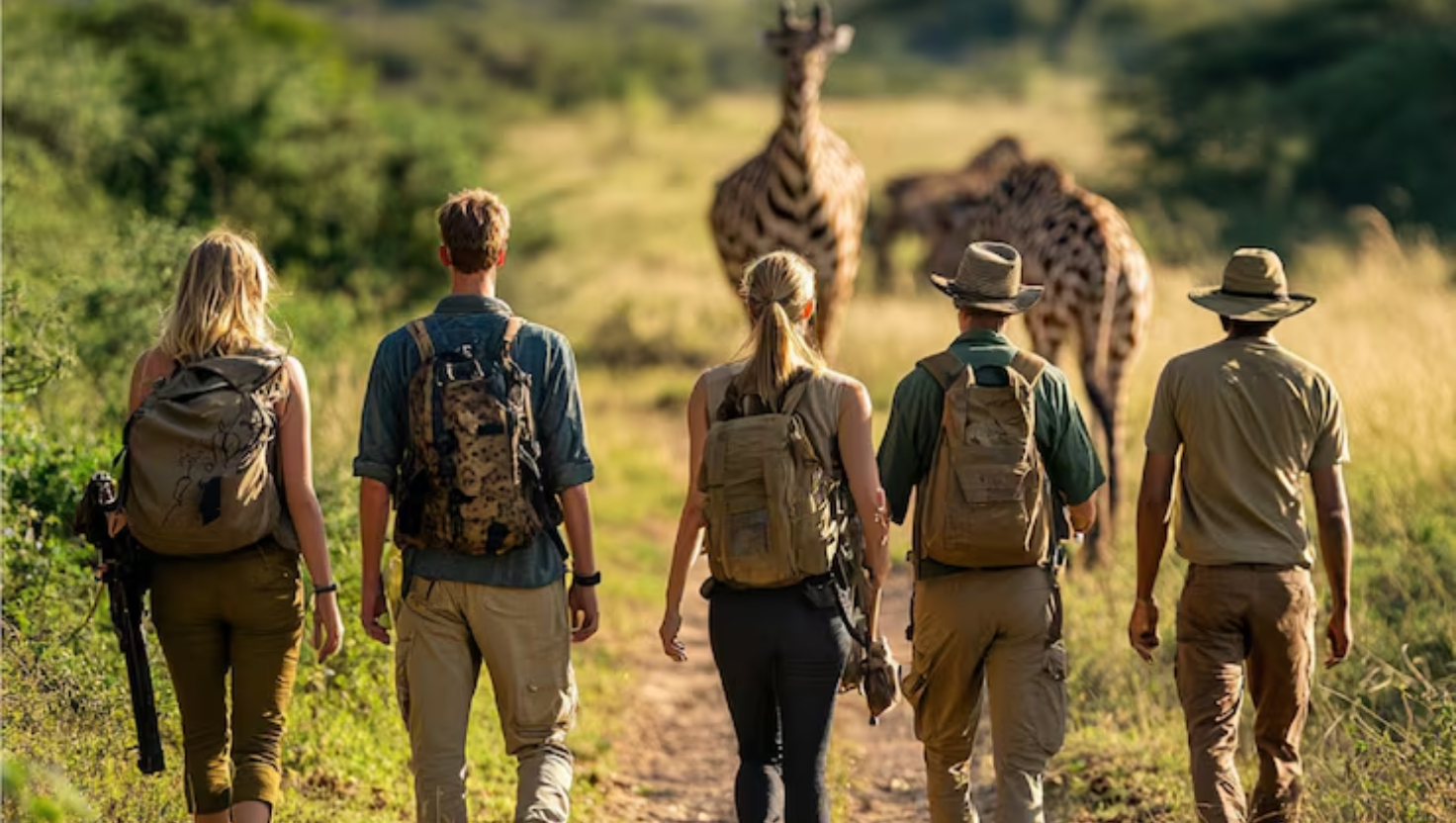
Capturing animals in their natural habitats is one of the most demanding yet exhilarating types of photography. Wildlife is unpredictable — animals move quickly, lighting changes constantly, and you often have limited control over your surroundings. This forces you to master fast autofocus, patience, and anticipation.
Going on a safari in Africa, a birdwatching trip in Costa Rica, or a polar bear expedition in the Arctic will stretch your skills in composition, timing, and equipment handling (like using long telephoto lenses). These experiences enhance your ability to shoot action and detail under pressure.
2. Landscape and Nature Photography in Remote Locations
Traveling to remote or rugged environments such as mountain ranges, deserts, or coastal cliffs challenges your technical and physical limits. You’ll need to understand how to use natural light — like the golden hour or blue hour — to your advantage, and learn advanced techniques such as long exposures for waterfalls or star trails.
Planning and hiking to hard-to-reach viewpoints teaches you patience and preparation. Plus, dealing with changing weather conditions makes you more adaptable, which is invaluable in any photography setting.
3. Urban and Street Photography in Bustling Cities
Busy cities provide a different kind of challenge — capturing candid moments, street life, and architecture amid a fast-moving environment. You’ll learn to work quickly, blend into crowds, and find interesting angles and stories in everyday scenes.
Shooting in cities like New York, Tokyo, or Mumbai pushes your ability to compose shots on the fly, master low-light and artificial lighting, and navigate diverse cultural settings. Street photography improves your eye for human emotion and storytelling through images.
4. Adventure and Action Sports Photography
If you love action and adrenaline, trips centered on sports like surfing, skiing, or mountain biking will test your skills in capturing fast-moving subjects. These trips require excellent timing, anticipation, and knowledge of your camera’s burst mode and autofocus systems.
Shooting in challenging conditions such as water, snow, or high speeds also teaches you about protective gear and lenses. Action photography trips push your technical and creative boundaries to freeze moments others might miss.
5. Night and Astrophotography Trips
Photographing the night sky and celestial events demands a deep understanding of camera settings, such as long exposures, high ISO, and manual focus. Traveling to locations with little light pollution, such as deserts or mountain tops, helps you develop patience and precision.
Astrophotography trips can be mentally demanding but extremely rewarding — capturing star trails, the Milky Way, or meteor showers requires planning, timing, and steady equipment handling. This genre will boost your technical expertise and open new creative horizons.
Tips for Making the Most of Your Challenging Photography Trip
Do Your Research
Before heading out, study the location, weather patterns, and the best times to shoot. Understanding the environment will help you prepare the right gear and anticipate shooting conditions.
Pack Smart
Bring versatile equipment but avoid overpacking. Consider lenses suited for your subject matter — a telephoto lens for wildlife, wide-angle for landscapes, or a fast prime for low light. Don’t forget essentials like tripods, extra batteries, memory cards, and protective cases.
Embrace Flexibility
Challenging trips rarely go exactly as planned. Weather may change, access might be limited, or animals might not appear. Be ready to adapt and find creative solutions. Sometimes the best shots come from unexpected moments.
Learn from Locals or Guides
Hiring a local guide or joining a photography tour can significantly improve your experience. They know the best spots, safety protocols, and cultural nuances. Plus, you’ll benefit from their insights and expertise.
Practice Patience and Persistence
Great photography requires patience. Whether waiting for the perfect light or the right moment, persistence pays off. Use downtime to experiment with settings, compositions, or post-processing ideas.
Conclusion
Photography trips that challenge your skills are investments in your growth as an artist and storyteller. They push you beyond familiar limits, teach you to adapt to new scenarios, and enhance your technical and creative capabilities. Whether you’re chasing wildlife, hiking remote trails, capturing urban life, or photographing the stars, these adventures will transform the way you see the world — and your camera — forever.
So, pack your camera, embrace the challenge, and get ready to capture images that reflect not just the scene, but your evolving vision and skills.