
Online CFD Trading in 2025: Trends That Could Change the Game
The world of trading is shifting fast. What worked five years ago may not work today. And by the look of things, 2025 will bring even more change. For traders who use contracts for difference, keeping up with these shifts is part of staying ahead.
One noticeable change is how platforms are becoming more intelligent. Smart features, powered by machine learning, are showing up in popular apps. These tools help traders review past performance, predict volatility, and filter market noise. While nothing replaces skill and planning, these features help users make quicker and more informed choices. Beginners especially benefit from this kind of support, as it can guide them through their first months of trading.
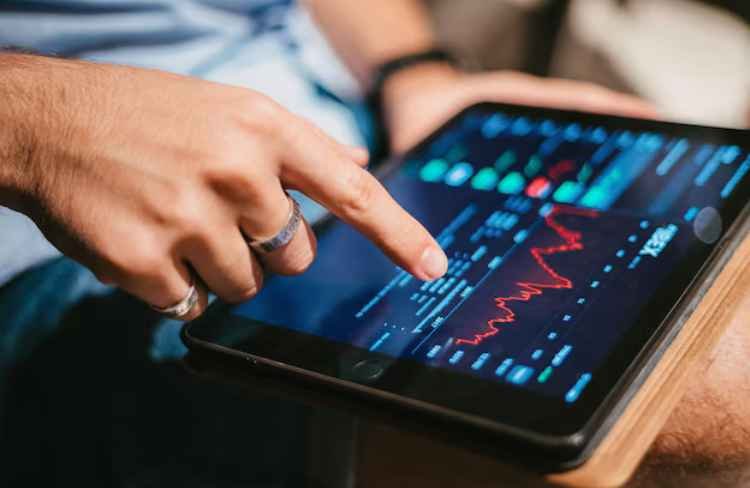
Mobile-first design is also shaping the future. Many traders in 2025 prefer to operate from their phones. This is not just about convenience. It’s about how much faster and easier it is to react to price moves, check news, or place trades on the go. More platforms are focusing on making their mobile apps just as powerful as their desktop versions. This shift gives traders more freedom and faster access to markets.
Another big trend is customisation. Instead of showing the same data to everyone, trading platforms are now letting users personalise what they see. From colour themes and chart layouts to which instruments are highlighted first, everything can be tailored. This is especially helpful for traders who focus on specific markets, such as commodities or global indices. The platform becomes a workspace that matches how each person thinks and trades.
The use of social features is also growing. In 2025, more platforms include built-in chatrooms, strategy sharing, and community rankings. For people who are new to online CFD trading, this brings a sense of connection. Watching how others trade, and reading real-time discussions, helps them learn quickly. But it also introduces risks. Following others without a clear plan can lead to poor decisions. The social side must be balanced with personal discipline.
Another key development is how different markets react to world events. News spreads faster than ever, and traders must adjust quicker too. In this environment, online CFD trading allows for faster positioning. Traders can go long or short in response to sudden news, and access markets that are open nearly 24 hours a day. This flexibility is one reason CFDs are becoming more popular among part-time traders.
However, regulation is also increasing. Governments and financial agencies are watching CFD platforms more closely. In 2025, new rules are being introduced to ensure fair trading conditions and protect users from misleading marketing. These changes may affect how leverage is offered or how trades are displayed. While some may see this as a limit, it also builds more trust in the industry. Traders will need to stay informed and adjust how they trade under these updated conditions.
Another shift involves the types of assets available. In the past, most platforms focused on a few major markets. Now, they offer access to a broader range of instruments, including green energy stocks, rare metals, and even space-related companies. This expansion lets traders match their interests with their strategies, which makes the experience more engaging.
Online CFD trading in 2025 is no longer just for specialists. More young people, working parents, and professionals from outside finance are giving it a try. What was once seen as a niche area is becoming more mainstream, thanks to better tools, easier access, and smoother learning paths.
The way traders approach learning is also changing. Instead of long, formal courses, many prefer short videos, interactive tools, and practice accounts. This flexible learning style allows them to start slow and grow their skills step by step. It also makes trading more appealing to people who want to learn without pressure.
By the end of 2025, this form of trading may look very different from what it was just a few years ago. With smarter technology, wider access, and stronger rules, it continues to evolve. For traders willing to adapt, these changes could offer new ways to grow, learn, and succeed.