
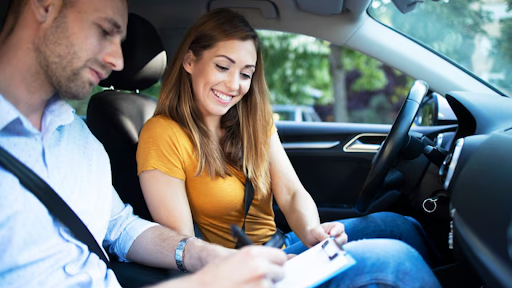
How To Ace Your California Driver’s Ed Course In 6 Simple Steps
If you’re gearing up to take your California driver’s ed course, you’re likely feeling a mix of excitement and nerves. You know that passing the course is a necessary step toward getting your driver’s license, but with so much to learn, it can seem overwhelming.
The good news is, with a little preparation and strategy, you can breeze through the course and set yourself up for success behind the wheel.
We’ve done the research and are sharing six simple steps to help you ace your DMV drivers education.
Keep reading to find out how to make the most of this experience and get one step closer to your driver’s license!
Step 1: Choose the Right DMV Drivers Education Program
The first and most important step in passing your DMV drivers education is choosing the right program. In California, there are plenty of options available, from in-person driving schools to online drivers ed courses. While both types of programs meet the DMV’s requirements, choosing the right fit for your learning style is crucial.
What to Look for in a Program:
- Accreditation: Make sure the program is DMV-approved.
- Course Format: Decide if you prefer online drivers ed for the convenience or in-person classes for more direct interaction.
- Flexibility: Find a course that fits your schedule and allows you to learn at your own pace, especially if you’re balancing school or work.
Choosing the right course will set the foundation for your learning and help you stay engaged throughout the process.
Step 2: Stay Organized with a Study Schedule
One of the easiest ways to set yourself up for success in your DMV drivers education is to stay organized. It can be tempting to procrastinate, but staying on top of your studies will help you retain the information and avoid unnecessary stress.
How to Stay Organized:
- Create a Study Plan: Set aside specific times during the week for studying, and stick to it. Consistent study time, even in short bursts, will help you absorb the material.
- Use Study Aids: Take advantage of any study guides, flashcards, or practice tests your course offers. These tools are great for reinforcing what you’ve learned.
- Take Notes: If your course is in-person, take detailed notes. For online courses, keep a digital or physical notebook to track key points and questions you may have.
A solid study routine will help you feel more prepared for both the written exam and the behind-the-wheel test.
Step 3: Focus on Defensive Driving Techniques
A big part of DMV drivers education is learning how to drive defensively. Defensive driving isn’t just about following the rules—it’s about anticipating potential hazards and reacting in a way that keeps you and others safe. Throughout your course, you’ll be taught techniques for handling various driving situations, such as merging onto highways, navigating intersections, and managing your speed.
Why Defensive Driving Matters:
- It helps you react to unexpected situations, like another driver cutting you off or a pedestrian unexpectedly stepping into the road.
- It teaches you how to maintain a safe distance from other vehicles and avoid accidents.
- It’s an essential skill that will not only help you pass your driving test but also keep you safe once you’re on the road.
Make sure to practice these techniques both in your lessons and on the road when you get behind the wheel with your instructor.
Step 4: Review California’s Rules of the Road
Knowing the rules of the road is crucial to passing your DMV drivers education course and your driving test. From understanding traffic signs to knowing when to yield or stop, California’s road laws are essential for safe driving.
Key Areas to Focus On:
- Traffic Signs: Make sure you can identify common road signs, signals, and pavement markings. Knowing what each one means will be critical when you’re driving.
- Right of Way: Learn the rules about who goes first at intersections, roundabouts, and crosswalks.
- Speed Limits: Pay attention to speed limits in different zones, especially in school zones and residential areas.
Reviewing these rules regularly will make sure you’re ready for the written test and help you make better decisions while driving.
Step 5: Practice Your Driving Skills
While the theory is important, the real test of your DMV drivers education will be your ability to apply what you’ve learned on the road. Be sure to get as much behind-the-wheel practice as possible, whether through your driving school or with a licensed adult. The more experience you gain, the more confident and skilled you’ll become.
What to Practice:
- Basic Maneuvers: Practice parallel parking, turning, and making safe lane changes. These are common tasks on both the driving test and in daily driving.
- Parking: Master both parallel and angle parking, which are often tested.
- Highway Driving: If you have access to a highway, practice merging onto it and driving at higher speeds.
The more you practice, the better prepared you’ll be for your driving test.
Step 6: Stay Calm and Confident During the Test
Once you’ve completed your DMV drivers education and logged enough practice hours, it’s time to take the driving test. It’s natural to feel nervous, but staying calm and confident will make all the difference.
Tips for Test Day:
- Rest Well: Make sure you get a good night’s sleep before your test so you’re alert and focused.
- Stay Calm: If you make a mistake during the test, don’t panic. Stay focused and continue driving safely.
- Trust Your Training: Remember that your DMV drivers education has prepared you for this moment. Trust the skills and knowledge you’ve built during the course.
If you’ve followed these steps, you’ll have everything you need to pass your test and earn your license.
Conclusion
Acing your California driver’s ed course is all about staying organized, focusing on the right areas of study, and practicing your skills on the road. By choosing the right program, mastering defensive driving, and staying calm on test day, you’ll be setting yourself up for success. With these six simple steps, you’ll feel ready to pass both the written and driving tests with confidence, getting you one step closer to your driver’s license. Good luck!