
Design, Safety, and Innovation in Contemporary Home Lift Systems
Modern residential architecture is increasingly vertical, driven by space constraints, multigenerational living, and evolving lifestyle expectations. Home lift systems are no longer niche additions reserved for luxury villas. They are now integral components of thoughtful home planning, balancing convenience, safety, and visual harmony within private residences.
As technology advances, residential lift solutions reflect deeper engineering maturity, stricter safety standards, and greater customization. Toward the latter part of this shift, the role of an elevator manufacturer becomes critical, not only in mechanical execution but also in ensuring long-term reliability and compliance within diverse residential settings.
Engineering Foundations Behind Residential Lift Design
At the core of any home lift system is structural compatibility. Unlike commercial installations, residential lifts must adapt to tighter footprints, lower travel heights, and varied architectural layouts. Engineers prioritize compact shafts, load-balanced cabins, and low-impact installation methods that minimize structural disruption.
Modern systems increasingly rely on modular engineering. This allows components to be tailored to individual homes while maintaining standardized safety tolerances. The result is a system that feels purpose-built rather than retrofitted.
Safety Standards That Govern Home Elevation Systems
Safety in residential lifts extends beyond basic load limits and emergency stops. It includes door interlocks, controlled descent mechanisms, power backup systems, and fail-safe braking technologies. These features are designed to function reliably even in low-usage residential environments.
Key safety considerations typically include:
- Redundant braking and descent control to prevent free fall
- Emergency power or manual lowering during outages
- Secure door locking systems to prevent accidental access
Together, these elements form a layered safety framework aligned with both international norms and localized building codes.
The Role of Innovation in Residential Lift Technology
Innovation in home lift systems is focused on efficiency, comfort, and adaptability. Noise reduction technologies, smooth acceleration profiles, and energy-efficient drive systems have become standard expectations rather than premium add-ons.
Some innovation-driven trends shaping the sector include:
- Machine-room-less designs that reduce space requirements
- Smart control panels for intuitive operation
- Materials engineered for durability with minimal maintenance
These developments are increasingly influencing how elevator companies in India design solutions for urban and semi-urban homes alike.
Aesthetic Integration Within Modern Home Interiors
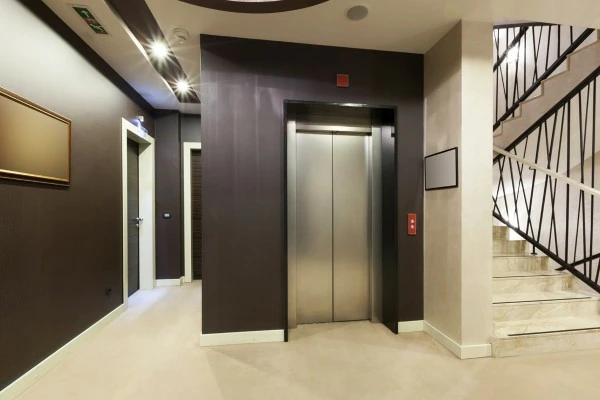
Contemporary homeowners expect lifts to blend seamlessly with interior design. Cabin finishes, lighting schemes, and transparent or semi-transparent enclosures are selected to complement architectural themes rather than interrupt them.
Design flexibility allows lifts to function as visual features or remain understated. This balance between form and function reflects a broader shift where engineering excellence supports aesthetic intent, rather than competing with it.
Final Thoughts: Residential Elevation as a Long-Term Investment
Home lift systems today represent a convergence of safety engineering, architectural sensitivity, and user-centric innovation. From compact drive mechanisms to advanced safety controls, these systems are designed to serve households across decades of use. Technologies such as vacuum home elevators further illustrate how engineering innovation continues to expand residential mobility options without demanding extensive structural changes.
Within this evolving landscape, companies like ICARE Lifts operate across residential vertical mobility solutions, contributing to safer, more adaptable home environments. Their work aligns with broader industry trends that emphasize precision engineering, compliance, and thoughtful integration into modern Indian homes.