
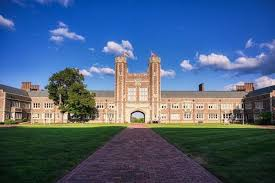
Living on Campus at UQ: A Guide to Student Accommodation
Choosing where to live during university is a major decision for students, and for those attending the University of Queensland (UQ), the option of on-campus accommodation provides convenience, community, and a unique student experience.
With UQ being one of Australia’s most prestigious universities, it’s no surprise that students are eager to secure a spot in one of its student accommodation options.
In this guide, we’ll explore the different types of on-campus accommodation available at UQ, how to apply, the benefits of living on campus, and tips to make the most of your time in university housing.
The Importance of On-Campus Accommodation
Living on campus at UQ provides numerous benefits, not just in terms of proximity to classes but also in the broader student experience. According to the Australian Bureau of Statistics (ABS), university students who live on campus are more likely to engage in extracurricular activities, maintain higher academic performance, and form strong social connections compared to those who live off-campus (source: Australian Bureau of Statistics).
For UQ students, this means you’ll have easier access to campus resources, such as libraries, study spaces, fitness facilities, and cafes. Additionally, living on campus helps students become more immersed in university life, fostering friendships and networks that will last long after graduation.
Types of On-Campus Accommodation at UQ
UQ offers a variety of accommodation options to suit different needs, budgets, and preferences. These residences are located at the St Lucia campus, which is only a short distance from the heart of Brisbane and major public transport routes. UQ on-campus accommodation provides students with the convenience of living close to their classes, study areas, and recreational facilities, creating a dynamic and integrated university experience.
1. Residential Colleges
UQ’s residential colleges offer a more traditional and collegiate living experience. These colleges are designed to provide students with a structured environment that promotes academic success, personal growth, and a strong sense of community. Some of the key residential colleges at UQ include:
- St John’s College: Known for its academic excellence, St John’s is one of the oldest and most prestigious residential colleges at UQ. It has a reputation for strong student support services and a sense of tradition.
- University of Queensland Union (UQU) College: UQU College offers modern living spaces, community-building activities, and a diverse student population.
- The Women’s College: With a focus on empowerment, The Women’s College is one of the leading female-only residential colleges in Australia, fostering academic and leadership opportunities.
- Duchesne College: Known for its welcoming community and academic support, UQ on-campus accommodation at Duchesne College provides a nurturing environment for students to grow both personally and academically. Duchesne College focuses on building close-knit relationships through regular events and peer support.
Residential colleges typically offer meals, housekeeping services, and organised social and academic events. This option is ideal for students who want a more integrated living experience with regular interactions with staff and other residents. UQ on-campus accommodation through these colleges is also beneficial for first-year students or those looking to build a strong social and academic foundation during their university years.
2. Self-Catered Apartments
For students who prefer more independence, UQ also offers self-catered accommodation. These apartments come with kitchen facilities, allowing students to cook their own meals and have more control over their living arrangements. Some examples include:
- Gatton Campus Accommodation: Located at the UQ Gatton campus, this accommodation is perfect for students studying agriculture, animal science, or related fields. The campus features fully furnished self-contained apartments.
- UQ St Lucia Village: This complex offers fully equipped kitchens, shared bathrooms, and lounges. While the self-catering option provides autonomy, students still have access to social events and academic support.
Self-catered apartments provide flexibility but may require a little more responsibility, as students will need to handle their own meals and daily chores. However, it’s an excellent choice for students who value privacy and freedom.
3. Student Apartments
UQ also offers student apartments at affordable rates for those looking for a semi-independent living situation. These apartments are usually shared, and each student has their own bedroom but shares common living areas such as the kitchen, bathroom, and lounge. These apartments are usually found in the UQ Village and the UQ Union facilities.
How to Apply for On-Campus Accommodation
Applying for on-campus accommodation at UQ is straightforward, but it’s essential to start the process early, as spaces can fill up quickly, especially in popular areas like the Residential Colleges.
- Create an Account: First, you’ll need to create an account on the UQ accommodation portal.
- Submit Your Application: Once your account is active, you can submit your application by selecting your preferred accommodation options. Be sure to provide all the required documents, such as identification, student enrollment, and any specific accommodation preferences.
- Wait for the Offer: After submitting your application, UQ will assess your submission and offer you a place in one of their available accommodations. Offers will be sent out according to availability, with priority given to first-year students and international students.
- Accept Your Offer: If you’re offered a place, you’ll receive details about how to accept the offer, pay your deposit, and prepare for your move-in day.
It’s crucial to apply early, as demand for on-campus accommodation is high. Applications generally open months before the start of the academic year, so be sure to check the UQ accommodation website for deadlines and specific application periods.
Benefits of Living on Campus at UQ
Living on campus offers several distinct advantages:
1. Proximity to Classes
UQ’s St Lucia campus is large, and being able to walk or cycle to class in minutes saves time and energy. The close proximity means you can make the most of your day by attending early morning lectures or joining evening study groups without worrying about lengthy commutes.
2. Social Opportunities
UQ’s on-campus housing fosters a vibrant, inclusive community. Residents are encouraged to participate in various social, academic, and cultural activities that are organized regularly. Whether it’s movie nights, sports tournaments, or cultural events, there’s always something to engage with.
3. Academic Support
Many of UQ’s residential colleges offer tailored academic support to their residents, including peer mentoring, tutoring, and study sessions. Living in close proximity to other students provides a collaborative learning environment that is beneficial for success in your studies.
4. Wellness and Security
On-campus accommodation offers a safe and secure environment. With 24/7 security, controlled access to buildings, and regular monitoring of common areas, UQ provides peace of mind for students and their families. Additionally, the campus is equipped with health services, including mental health support, which is a key consideration for students transitioning into university life.
Living on campus at UQ offers a unique and enriching university experience. Whether you choose a residential college for its structured environment, a self-catered apartment for more independence, or a student apartment for a balance of both, UQ’s accommodation options cater to a range of needs.
By living on campus, students gain more than just a place to stay – they gain a community, academic support, and proximity to everything UQ has to offer.
If you’re considering UQ for your higher education journey, securing on-campus accommodation should be one of your top priorities to ensure a smooth and successful university experience.