
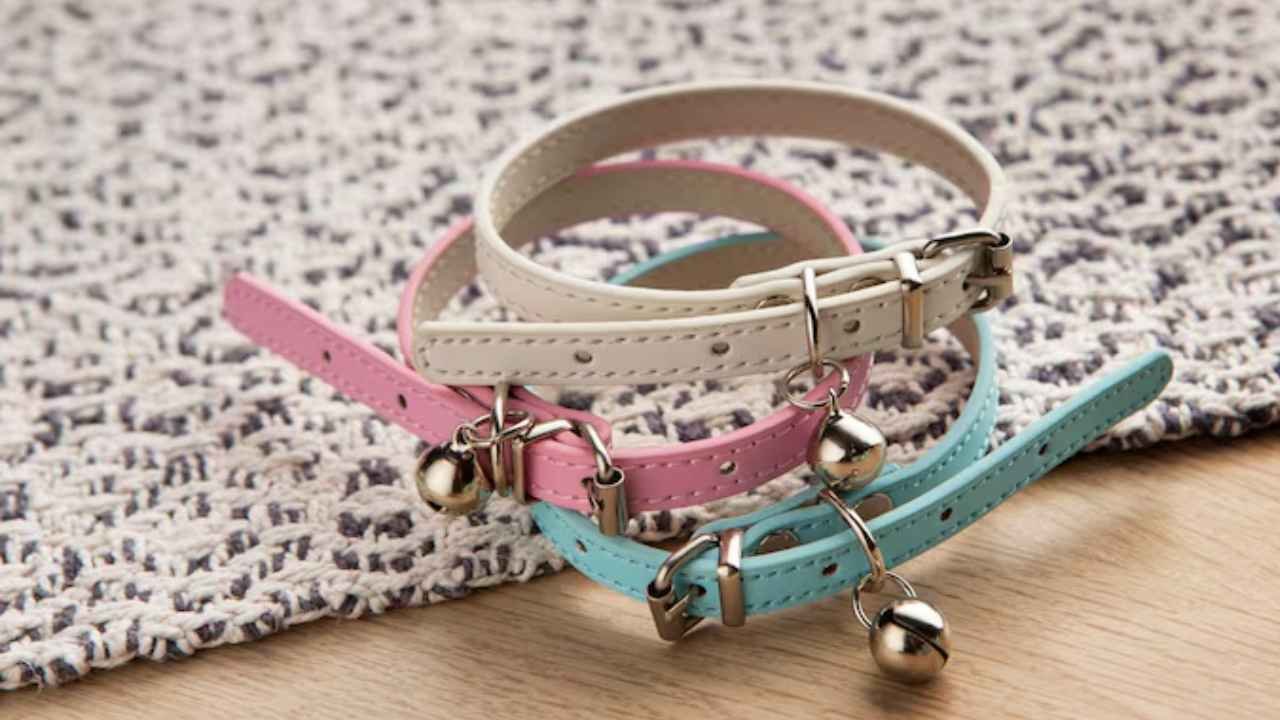
Dog Collar for Dogs: Safety Standards No One Talks About But You Should Know
Most dog owners in Canada assume a collar is just a basic accessory. Clip it on, attach the tag, done. But the truth is harsh: collars are one of the most poorly regulated pet products, and many sold online barely meet minimum safety expectations. If you want to avoid choking hazards, skin injuries, or sudden breakages during a walk, you need to understand the standards that actually matter — not the marketing fluff.
Here’s what most brands never tell you, and what you need to evaluate before choosing any dog collar..
1. Material Strength Isn’t Optional — It’s the First Safety Filter
A weak collar can snap when your dog lunges at a squirrel or gets startled by traffic. Most cheap collars won’t mention any verified strength rating because they don’t have one.
What you should look for:
- Nylon with tensile strength ratings (600–1000+ lbs for medium to large breeds)
- Full-grain leather (not “genuine leather,” which is the lowest grade)
- Rust-resistant hardware, like stainless steel or metal alloy buckles
If the seller doesn’t list strength tests or doesn’t specify materials clearly, assume it’s low quality.
2. Avoid Collars With Sharp Edges, Cheap Stitching, or Poor Lamination
Most injuries from collars come from abrasive stitching, trapped moisture, or edges that scrape the dog’s neck. These issues don’t show up in the product description, but you’ll see them in cheap pricing and blurry product images.
Check for:
- Smooth, rolled or padded edges
- Even, reinforced stitching
- Non-plastic buckles for medium or large dogs
- No visible gaps or glue residue
A safe collar won’t cause bald spots, rashes, or constant scratching. If your dog is uncomfortable, the collar is failing at its most basic job.
3. Hardware Quality Determines Whether the Collar Fails Under Stress
A collar is only as strong as its weakest component — usually the buckle or D-ring. Most low-cost collars use thin, hollow hardware that bends or snaps easily.
For Canadian weather conditions, especially winter, hardware must resist corrosion.
Choose:
- Metal buckles (avoid thin plastic on strong pullers)
- Welded D-rings
- Solid brass or stainless steel hardware
Avoid:
- Split rings
- Coated metal that chips
- Lightweight plastic clips on anything other than toy breeds
If you walk your dog near roads, frozen sidewalks, or wooded trails, hardware failure is a major risk you cannot ignore.
4. Fit and Adjustability Are Safety Requirements, Not Convenience Features
A collar that’s too loose can slip off; too tight and you’re restricting breathing, swallowing, and skin movement.
Follow the two-finger rule only after measuring properly, not blindly.
Measure:
- Your dog’s neck circumference using a soft tape
- Add 1–2 inches depending on size
- Choose a collar with multiple adjustment points
Canadian breeds like Labs, Huskies, Shepherds, and mixes often have thick coats, meaning collars should be checked regularly for seasonal changes.
If you don’t re-check fit monthly, you’re gambling with your dog’s safety.
5. Reflective or High-Visibility Elements Aren’t a Trend — They’re a Necessity in Canada
Long winters mean early sunsets. Snow glare, icy roads, and dark conditions make visibility critical.
Look for:
- Reflective stitching
- High-visibility neon bands
- Glow-in-the-dark accents
- Weather-resistant coatings
If you walk near roads, trails, or parks in the evening, a non-reflective collar makes your dog harder to spot — simple as that.
6. Avoid Collars With Overly Complicated Designs or “Cute but Unsafe” Extras
People fall for bow ties, rhinestones, studs, and dangling accessories. Most of these are hazards.
Risks include:
- Choking if an accessory breaks off
- Snagging on branches or furniture
- Skin irritation from glued elements
Practical > pretty. Every single time.
If you want something decorative, use a harness or GPS tag attachment — not the main collar.
7. Safety Certifications Rarely Exist — So You Need to Be the One Checking Quality
Unlike children’s products, pet collars don’t have strict universal safety standards. Canada doesn’t regulate collars heavily, and many sellers import low-grade products without proper testing.
You should look for any of the following indicators:
- Participation in voluntary durability testing
- Break strength or load-bearing details in the description
- Transparent material information
- Honest sizing charts
- Real user reviews mentioning long-term wear
If a product page avoids giving specific numbers or material details, that’s intentional — and not in your favour.
8. Choose the Right Collar Type Based on Your Dog’s Behaviour
Not all dogs should wear the same collar style. Wrong type = unsafe experience.
Flat Collar
Best for: well-behaved dogs, everyday wear
Not good for: pullers
Martingale Collar
Best for: dogs with narrow heads (Huskies, Greyhounds)
Provides controlled tightening without choking
Breakaway Collar
Best for: indoor cats — NOT recommended for dogs during walks
No-Overtightening Rule:
Any collar that tightens without limit (like a slip or choke chain) can cause tracheal damage. Avoid them unless a professional trainer specifically recommends them.
9. Seasonal Durability Matters in Canada’s Climate
Heat, snow, humidity, mud, and freezing rain all stress a collar differently.
For winter you need:
- Moisture-resistant materials
- Strong metal hardware
- Stitching that won’t stiffen or crack
For summer you need:
- Breathable, lightweight collars
- Mould-resistant fibres
- Quick-dry lining
Your dog’s collar shouldn’t struggle more with the weather than your boots do.
Final Thought
Most people buy collars based on colour, price, or the first listing that looks “good enough.” That’s why so many owners end up with frayed edges, snapped buckles, or irritated dogs. If you want a dog collar for dogs that actually protects your pet, you need to focus on tangible safety standards — material strength, hardware durability, proper fit, and visibility.
Ignore vague marketing claims. Evaluate the real features. Your dog’s comfort and safety depend on it.