
A Brief Guide on Big Ship Anchor Chains to Make Strong Links at Sea
In the world of maritime operations, every piece of equipment plays a vital role in ensuring the safety and stability of a vessel. Among these, the anchor chain is one of the most important components on a ship, especially for large vessels like cargo ships, oil tankers, and cruise liners. A big ship anchor chain is not just a heavy metal link that connects the ship to its anchor; it is a carefully designed piece of engineering built to withstand immense forces. It keeps the vessel securely in place even in rough seas, strong currents, or during storms. Without a reliable anchor chain, anchoring a massive ship would be impossible and highly dangerous. Understanding what a big ship anchor chain is, how it works, and why it is so crucial helps us appreciate its role in maritime safety and global shipping operations.
What a Big Ship Anchor Chain Is
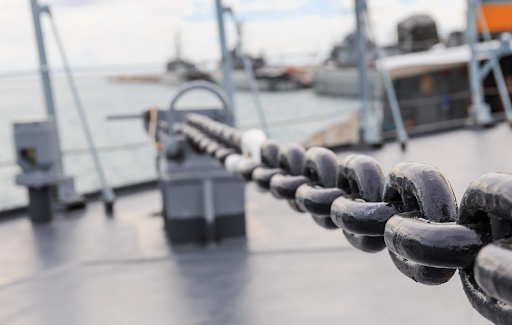
A big ship anchor chain is a series of interconnected heavy metal links specifically designed to connect a ship’s anchor to the vessel itself. Unlike smaller chains, which are used for light boats, these chains are built to handle the extreme weight and size of massive ships. They are made of high-grade steel and carefully manufactured to provide exceptional strength, durability, and corrosion resistance. The chain ensures that when the anchor is dropped into the seabed, the ship remains firmly in place, preventing drifting caused by wind, tides, or currents.
These chains are typically very long, with some extending hundreds of meters depending on the ship’s size and operational requirements. The length and weight of the chain help create a horizontal pull on the anchor, which allows it to dig deeply into the seabed for maximum holding power.
Importance of Anchor Chains for Large Ships
For big ships, stability while anchored is essential not only for safety but also for efficient operations. When a ship docks or stops at sea, a powerful anchor chain ensures that it does not move unintentionally. This is especially important when the ship is near ports, offshore oil rigs, or other vessels. A strong chain also provides a buffer against sudden movements caused by waves and strong winds. Without a proper anchor chain, the risks of collisions, groundings, and equipment damage increase significantly.
In addition, anchor chains play a vital role in global trade. Large cargo ships rely on them while unloading or loading goods at ports, while cruise ships use them to maintain position when docking in shallow waters or during passenger transfers.
How a Big Ship Anchor Chain Works
The working principle of an anchor chain is based on weight and resistance. When the anchor is released, the heavy chain stretches along the seabed before the anchor itself engages. The weight of the chain provides a horizontal force that keeps the anchor buried in the seabed. This prevents the ship from drifting even when external forces such as waves or wind act upon it.
The chain also acts as a shock absorber. When the ship moves due to changing water conditions, the slack in the chain absorbs the tension, reducing stress on both the anchor and the ship’s hull. This flexibility makes it a critical part of the anchoring system for large vessels.
Materials Used in Anchor Chain Construction
The materials used in making big ship anchor chains are carefully selected to ensure they meet the highest standards of strength and durability. Most chains are made from special-grade alloy steel that can resist corrosion caused by saltwater and harsh weather conditions. The steel is treated through heat processes to enhance its toughness and minimize wear over time.
In addition to strength, the finishing of the chain is equally important. Many chains are galvanized or coated with protective layers to prevent rust, which can weaken the links. These treatments extend the lifespan of the chain and reduce maintenance requirements.
The Role of Chain Size and Design
The design and size of a big ship anchor chain depend on the type and size of the vessel. Larger ships require heavier and thicker chains to withstand the greater forces they experience at sea. Each link in the chain is meticulously crafted to maintain uniform strength across its length.
The shape of the links is also crucial. Most links are oval with a central stud, which prevents deformation and tangling. The stud also distributes stress evenly across the link, ensuring it can handle immense loads without breaking. This thoughtful design allows the chain to function reliably under extreme conditions.
Regular Maintenance and Inspections
Given the demanding environments in which they operate, big ship anchor chains require regular maintenance and inspections. Chains are exposed to constant stress, seawater, and abrasive seabeds, all of which can cause wear and tear.
Maintenance involves checking for cracks, corrosion, or any signs of weakening. Ship crews often measure the chain’s wear using specialized tools and replace damaged sections immediately. Proper lubrication and cleaning are also part of routine care to prevent rust and ensure smooth operation. Well-maintained anchor chains not only enhance safety but also reduce the risk of costly accidents.
Technological Advances in Anchor Chains
Modern technology has significantly improved the design and performance of big ship anchor chains. Advanced manufacturing techniques ensure precise link formation, resulting in stronger and more reliable chains. Some modern chains are even equipped with smart sensors that monitor tension and stress levels in real time. These sensors provide valuable data to ship operators, allowing them to take preventive measures before a failure occurs.
Additionally, improvements in materials, such as high-strength alloys and innovative coatings, have increased resistance to corrosion and extended the lifespan of anchor chains. These advancements make them more efficient and cost-effective in the long run.
A big ship anchor chain from an anchor chain supplier may seem like a simple piece of equipment, but it plays a vital role in maritime safety and global trade. By understanding what a big ship anchor chain is and why it is so important, we gain insight into the complexities of maritime operations. As technology continues to advance, future anchor chains will become even more reliable, efficient, and environmentally sustainable. Whether for a cargo ship carrying goods across continents or a cruise ship exploring exotic destinations, the anchor chain remains a strong and indispensable link between the ship and the sea.