
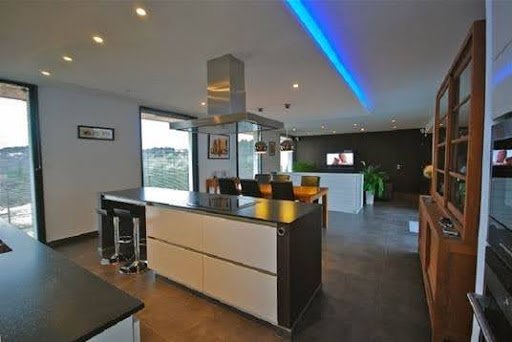
The Art of Minimalism in Modern Kitchens
Introduction to Minimalism in Modern Kitchens
Welcome to the world of minimalist kitchens! As we journey deep into the 21st century, many people are choosing to eschew traditional, ornate designs in favour of a sleeker, more minimalistic style. Minimalist kitchens emphasize clean lines, limited adornment, and a primarily monochromatic colour palette, focusing on functionality and simplicity.
This trending design ethos isn’t a flash in the pan. Rather, it speaks to a larger movement in society towards simplicity and mindfulness. Modern life can be chaotic, and the kitchen, the heart of our homes, is a place where order can bring about peace and calm. Hence, growing numbers of homeowners are finding solace in the simple, streamlined aesthetic of a minimalist kitchen.
Minimalism, however, doesn’t equate to sterile or uninviting. Indeed, it’s quite the opposite. The minimalist style, with its considered use of space and thoughtful design choices, can result in a kitchen that’s not only functional and easy to use, but also warm, welcoming, and easier to maintain.
But where did this trend start and how has it evolved? Let’s embark on an exploration of the history of minimalist kitchen design.
The Journey Towards Simplicity: History of Minimalist Kitchen Design
Minimalist kitchen design was born out of a post-World War II movement towards simplicity and functionality in art and design. In the realm of architecture and interior design, this aesthetic breakthrough echoed in the works of pioneers like Le Corbusier and Mies Van Der Rohe, who emphasized ‘less is more’.
But perhaps the biggest contributor to minimalism in kitchen design was the iconic ‘Frankfurt Kitchen’ in the early 1920s. Margarete Schütte-Lihotzky, a renowned Austrian architect, designed this compact, rationalized kitchen to be incredibly efficient, with clear lines and simplistic design, which holds a striking resemblance to modern-day minimalist kitchens.
Over the decades, the minimalist kitchen transformed with technological advancements and changing aesthetics. The late 20th century saw the arrival of modular kitchens, where components could be mixed and matched in countless ways to create a bespoke look. This offered an individualised approach to minimalist design, making it accessible and popular.
Today, with global trends leaning towards sustainability and intentional living, minimalist kitchens have taken centre stage, defining contemporary style while offering plenty of opportunities for personalisation.
Understanding Minimalism: Core Principles and Aesthetics
At the heart of minimalism lies a few core principles: decluttering, functionality, harmony, and natural light.
The Art of Decluttering
Clutter not only interferes with the aesthetic appeal but also impacts functionality. By decluttering, we eliminate unnecessary items, retaining only essential tools, appliances, and utensils.
Emphasis on Functionality
A minimalist kitchen is designed with practicality in mind. It focuses on maximising functionality with minimalist appliances, easy-to-use cabinetry and efficient workflows.
Harmony in Colour and Texture
Minimalist kitchens generally use a subdued, monochromatic colour palette. Texture is used sparingly and thoughtfully to create depth without cluttering the visual space.
Importance of Natural Light
Natural light is a critical component of the minimalist aesthetic. Proper placement of windows and the strategic use of mirrors help amplify light, creating a bright and airy space.
Modern Minimalist Kitchen Trends
Let’s take a look at some of the latest trends defining the minimalist kitchen aesthetic in 2022.
Seamless Storage Solutions
Storage is all about being integrated and unobtrusive. Think in-built cupboards, pull-out drawers, and hidden appliance garages.
Sleek Surfaces and Handleless Cabinets
Simplicity and sleekness are key. Hence, handleless cabinetry and smooth surfaces, made of materials like quartz or marble, are the go-tos.
The Appeal of Monochromatic Palettes
Expect to see a lot of monochromatic colour schemes – grayscale, beige, or white – offset by subtle, strategic pops of colour.
Incorporating Organic Materials
Adding elements of wood or stone can bring warmth and texture into minimalist kitchen design without sacrificing simplicity.
Minimalist Kitchen Appliances
Small, sleek, and often in-built appliances that blend seamlessly into the design are a hallmark of the minimalist kitchen.
A Step-by-step Guide to Transforming Your Kitchen into Minimalist Masterpieces
Here’s a simple guide that will help you transition your current kitchen design to a more minimalist style.
Evaluating Your Existing Kitchen Layout
Begin by assessing the layout of your kitchen. Identify areas that can be decluttered and simplified.
Rethinking Storage and Organisation
Invest in seamless storage solutions that hide clutter and highlight cleanliness.
Choosing the Right Colour Scheme
Focus on a monochromatic or neutral colour palette for a calming aesthetic.
Selecting the Ideal Materials and Finishes
Utilise streamlined materials like polished concrete, smooth marble, or sleek wood.
Curating Minimalist Kitchen Décor
Less is more when it comes to décor. Use only essential items and let the clean lines and space speak for itself.
Expert Tips to Maintain the Minimalist Aesthetic Long-Term
Maintaining a minimalist kitchen requires discipline and a keen eye for detail. Avoid the temptation of piling up appliances and utensils by routinely checking for redundancy. Emphasize functionality over ornamentation. If an item isn’t used regularly, it doesn’t deserve space in a minimalist kitchen. Remember, the lesser the items, the easier it is to clean and maintain your kitchen.
Furthermore, maintaining a minimalist kitchen isn’t about adhering to a strict aesthetic. Instead, it’s about creating a space that resonates with your lifestyle, making the cooking experience more enjoyable.
The Pros and Cons of a Minimalist Kitchen
Choosing a minimalist design for your kitchen comes with both advantages and considerations.
On the positive side, a minimalist kitchen can create a serene, clutter-free environment that is easy to clean and maintain. By focusing on essential items, you can also optimise functionality and make the cooking process more straightforward.
However, achieving the minimalist look can often require custom-built storage and integrated appliances, which can be costly. Also, while a minimalist kitchen berths a streamlined look, it can sometimes feel cold or impersonal if not balanced properly.
Conclusion: Embracing the Minimalist Kitchen Lifestyle
Embracing a minimalist kitchen goes beyond a design choice. It’s a reflection of a lifestyle shift toward simplicity and intentionality. By decluttering and simplifying, you not only create a visually pleasing and functional kitchen but also a serene space that can positively impact your well-being and day-to-day life.